
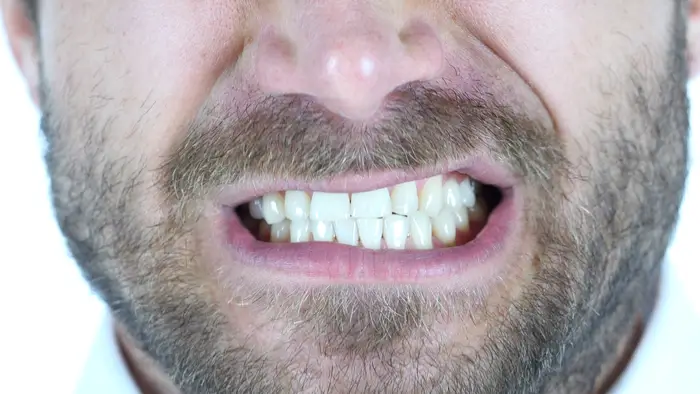
Tooth grinding, also known as bruxism, is a common condition that affects millions of people worldwide. While many people grind or clench their teeth occasionally, persistent grinding can lead to serious dental problems if left untreated. One of the biggest challenges with bruxism is that it often occurs during sleep, meaning many individuals are unaware they are doing it until symptoms begin to appear.
Over time, the excessive pressure placed on your teeth, jaw, and surrounding muscles can cause significant damage. Recognising the warning signs early can help prevent long-term complications and protect your oral health.
Here are the top five signs that tooth grinding may be damaging your teeth.
1. Worn, Chipped, or Flattened Teeth
One of the most noticeable signs of tooth grinding is visible wear on the teeth. Grinding creates repeated friction between the upper and lower teeth, gradually wearing away the protective enamel that covers the tooth surface.
As enamel becomes thinner, teeth may appear:
- Flattened along the biting surfaces
- Shorter than they used to be
- Chipped around the edges
- Cracked or fractured
Because enamel does not regenerate, any loss is permanent. Once the protective layer is compromised, teeth become more vulnerable to decay, sensitivity, and further structural damage.
If you notice that your teeth look unusually worn or your dentist comments on signs of excessive wear, bruxism may be the underlying cause. Early intervention can help preserve your remaining enamel and prevent more extensive restorative treatment in the future.
2. Increased Tooth Sensitivity
Have you recently experienced discomfort when drinking hot coffee, eating ice cream, or consuming cold beverages? Tooth sensitivity is another common indicator that grinding may be affecting your oral health.
When grinding wears away enamel, the softer layer beneath it, called dentin, becomes exposed. Dentin contains microscopic channels that connect to the tooth’s nerve, making teeth more sensitive to temperature changes and certain foods.
Symptoms may include:
- Sharp pain when consuming hot or cold foods
- Sensitivity when brushing teeth
- Discomfort when eating sweet or acidic foods
- Occasional shooting pains in specific teeth
Many people assume tooth sensitivity is caused solely by cavities, but chronic grinding is often a contributing factor. Addressing the root cause can help reduce discomfort and prevent further damage.
3. Frequent Jaw Pain and Morning Headaches
The effects of tooth grinding extend beyond the teeth themselves. Because grinding involves repeated clenching of the jaw muscles, it can place significant strain on the entire jaw system.
Many individuals who grind their teeth wake up with:
- Jaw soreness
- Facial muscle fatigue
- Tension headaches
- Earaches without an ear infection
- Neck and shoulder discomfort
Morning headaches are particularly common among nighttime grinders. The constant muscle activity during sleep can create tension that radiates through the temples and forehead.
If you regularly wake up feeling as though your jaw has been working overnight, bruxism could be the culprit. Persistent jaw pain should never be ignored, as prolonged grinding can contribute to temporomandibular joint (TMJ) disorders and chronic discomfort.
4. Cracked Teeth and Dental Restorations
Tooth grinding generates enormous force. In some cases, the pressure exerted during grinding can exceed the force used during normal chewing. Over time, this excessive stress can weaken teeth and dental restorations.
Warning signs include:
- Small cracks in teeth
- Fractured fillings
- Damaged crowns
- Loose dental work
- Unexplained tooth pain when biting down
Even tiny cracks can become serious problems if left untreated. Bacteria can enter these openings, increasing the risk of decay, infection, and tooth loss.
Patients who repeatedly experience broken fillings or crowns may be unknowingly grinding their teeth at night. Dentists often identify patterns of damage that point directly to bruxism as the underlying cause.
Protective measures such as custom night guards can help absorb some of the pressure and reduce the risk of future damage.
5. Indentations on the Tongue and Cheek Damage
Not all signs of tooth grinding appear on the teeth. The soft tissues inside the mouth can also reveal clues that excessive clenching or grinding is occurring.
People who grind their teeth may develop:
- Scalloped edges on the tongue
- Bite marks along the inside of the cheeks
- Irritated oral tissues
- Soreness inside the mouth
These changes occur because the tongue and cheeks are repeatedly pressed against the teeth during clenching episodes. Dentists often spot these subtle signs during routine examinations, even when patients are unaware they grind their teeth.
While these symptoms may seem minor, they can serve as important indicators of ongoing stress and excessive pressure within the mouth.
What Causes Tooth Grinding?
Several factors can contribute to bruxism, including:
- Stress and anxiety
- Sleep disorders such as sleep apnea
- Misaligned teeth or bite issues
- Certain medications
- Lifestyle factors such as excessive caffeine or alcohol consumption
For many individuals, stress is a major trigger. Emotional tension often manifests physically through jaw clenching and nighttime grinding.
Understanding the cause of your bruxism is an important step toward finding an effective treatment plan.
How to Protect Your Teeth
If you suspect you are grinding your teeth, seeking professional dental advice is essential. Treatment options may include:
- Custom-made night guards
- Stress management techniques
- Bite adjustment treatments
- Orthodontic correction when necessary
- Treatment for underlying sleep disorders
A custom-fitted night guard is one of the most effective solutions for preventing further tooth damage. These devices create a protective barrier between the upper and lower teeth, reducing wear and absorbing grinding forces.
Regular dental checkups are also important because dentists can identify early signs of bruxism before significant damage occurs.
Final Thoughts
Tooth grinding may seem harmless at first, but the long-term effects can be costly and painful. Worn teeth, increased sensitivity, jaw pain, cracked dental work, and soft tissue changes are all warning signs that should not be ignored.
The earlier bruxism is identified and treated, the better the chances of protecting your teeth and preserving your oral health. If you are experiencing any of these symptoms, schedule an appointment with your dentist for a thorough evaluation. Taking action now can help prevent more serious dental complications in the future and keep your smile healthy for years to come.