
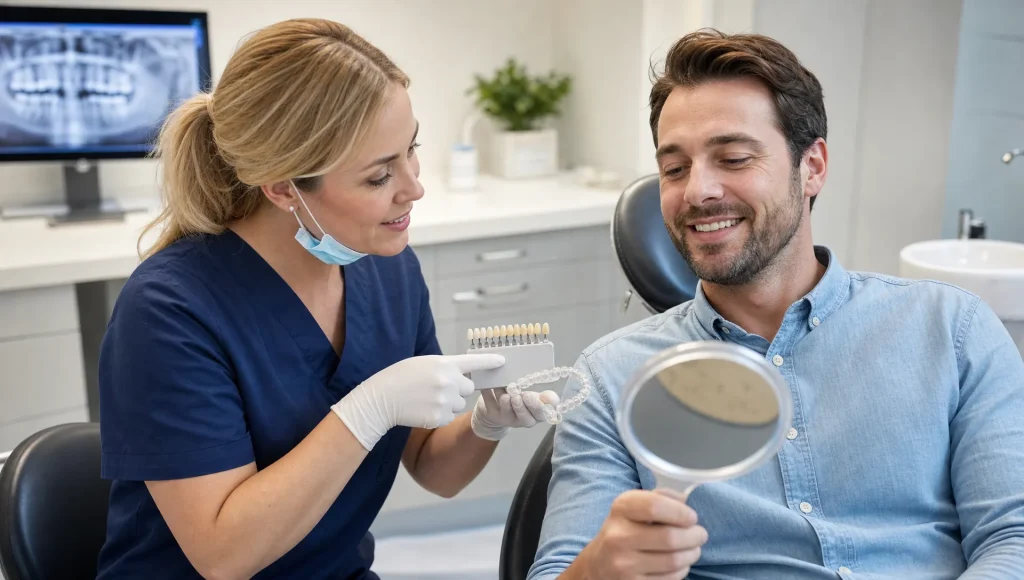
A confident smile can change the way you feel in photos, at work, on a date or simply when speaking to someone face to face. Cosmetic dentistry is designed to improve the appearance of your teeth, but the best results are rarely about making a smile look artificial or identical to someone else’s. They are about making your own smile look healthier, brighter and more balanced.
For patients in West Malling, Kings Hill and the surrounding Kent area, cosmetic dental treatment can range from small changes, such as polishing away stains or repairing a chipped edge, to more involved treatment plans using Invisalign, veneers, crowns or dental implants. The right option depends on your oral health, your goals, your budget and how much tooth structure should be preserved.
If you are considering cosmetic dentistry for the first time, this guide explains what it can improve, which treatments may be suitable and how to make a decision that protects your long-term dental health.
What does cosmetic dentistry actually include?
Cosmetic dentistry focuses on improving the appearance of the teeth, gums and overall smile. That may sound purely aesthetic, but responsible cosmetic treatment begins with oral health. A dentist should check for gum disease, decay, infection, bite problems and worn restorations before recommending whitening, bonding, veneers or aligner treatment.
This matters because cosmetic dentistry is most successful when it is built on healthy foundations. Whitening teeth that have untreated decay, placing veneers before addressing gum inflammation or moving teeth without checking bone support can lead to avoidable problems. A good dentist will look at how your smile appears and how your teeth function.
Common cosmetic dentistry treatments include teeth whitening, composite bonding, veneers, crowns, clear aligners, dental implants and hygiene treatments that remove staining. Sometimes one treatment is enough. In other cases, the best result comes from a staged plan, such as hygiene first, whitening next and bonding last.
How cosmetic dentistry can improve your smile
Most people ask about cosmetic dentistry because one specific issue bothers them. They may dislike the colour of their teeth, hide a chipped tooth when smiling or feel self-conscious about gaps. Others want a more comprehensive smile refresh before a wedding, milestone birthday or career event.
Cosmetic dentistry can help with several common concerns:
- Tooth colour: Professional whitening can brighten natural teeth, while veneers or crowns may be considered when discolouration is internal or does not respond well to whitening.
- Chips and uneven edges: Composite bonding can reshape small defects and improve symmetry without removing much natural tooth structure.
- Gaps and spacing: Bonding, veneers or clear aligners may be used depending on the size of the spaces and the bite.
- Crowding or misalignment: Invisalign clear braces can move teeth gradually, often making the smile look straighter and easier to clean.
- Missing teeth: Dental implants, bridges or dentures can restore gaps and improve smile confidence.
- Old restorations: Replacing worn, dark or poorly matched fillings and crowns can make a smile look more natural.
| Smile concern | Possible cosmetic option | What it may improve | Key point to discuss |
|---|---|---|---|
| Yellow or stained teeth | Whitening, hygiene with Airflow | Brightness and surface stain | Whitening only works on natural tooth tissue |
| Small chips or rough edges | Composite bonding | Shape, symmetry and smoothness | Bonding may need maintenance over time |
| Crooked teeth | Invisalign clear aligners | Tooth position and smile balance | Treatment time depends on complexity |
| Dark or misshapen front teeth | Veneers or crowns | Colour, shape and proportion | More planning is needed for long-term aesthetics |
| Missing teeth | Dental implants or other restorative options | Gaps, function and confidence | Gum and bone health must be assessed first |
The most common cosmetic dentistry treatments
Teeth whitening
Professional teeth whitening is often the simplest way to refresh a smile. It can reduce yellowing caused by age, food, drink and lifestyle factors. In the UK, whitening should be arranged through a dental professional, which helps protect the gums and reduces the risk of unsuitable products being used.
Whitening is usually most effective when the teeth are healthy and clean. If there is heavy staining or plaque build-up, a hygienist visit may be recommended first. Airflow hygiene treatment can help remove surface stains from tea, coffee, red wine and tobacco, giving the teeth a cleaner appearance before whitening begins.
Whitening will not change the colour of crowns, veneers, fillings or bonding. If you have visible restorations, your dentist may suggest whitening first, then matching any new bonding or replacement restorations to the brighter shade.
Composite bonding
Composite bonding uses tooth-coloured resin to repair chips, close small gaps, improve edges or adjust tooth shape. It is popular because it is usually conservative, meaning little or no natural tooth structure needs to be removed in many cases.
Bonding can make a noticeable difference in a short time, especially for front teeth with minor imperfections. It is not as stain-resistant or durable as porcelain, so aftercare matters. If you want a deeper comparison of the process, benefits and practical expectations, West Malling Dental has a helpful guide to composite bonding benefits, costs and what to expect.
Veneers
Veneers are thin coverings placed on the front surface of teeth to improve their colour, shape, size or position. They can be a strong option when teeth are heavily stained, uneven, worn or not suitable for bonding alone.
Veneers require careful planning because they often involve some preparation of the natural tooth. Your dentist should explain the benefits, limitations and long-term maintenance before treatment begins. You can learn more about the treatment pathway on the West Malling Dental page for dental veneers.
Invisalign and clear aligners
Clear aligners can improve the appearance of a smile by gently moving teeth into a better position. For many adults, Invisalign is appealing because the aligners are removable and more discreet than fixed braces.
Straightening teeth can also have practical benefits. When teeth are less crowded, they may be easier to brush and floss effectively. However, aligners require commitment. They need to be worn as instructed, removed for eating and cleaned properly to keep treatment on track.
Dental implants, crowns and restorative cosmetic dentistry
Cosmetic dentistry is not limited to front teeth or minor imperfections. If a tooth is missing, broken, heavily filled or badly worn, restorative treatment can improve both appearance and function. Dental implants may be considered for missing teeth, while crowns can protect and improve teeth that need more coverage than bonding or veneers can provide.
The most natural-looking outcomes usually depend on careful shade matching, gum health and good communication between the dentist, patient and dental laboratory. This is especially important for single front teeth, where even small differences in colour or shape can be noticeable.
Choosing the right cosmetic option for your goals
The best cosmetic treatment is not always the most dramatic one. Many patients achieve the smile they want through small, carefully planned changes. For example, whitening and minor bonding may be enough to create a fresher look, while another patient may need orthodontic treatment before veneers would be appropriate.
Before choosing treatment, think about what you want to change most. Is it colour, tooth position, shape, missing teeth or a mixture of concerns? Bring photos if they help, but try to focus on the qualities you like, such as a softer shape, a brighter shade or a more even smile, rather than trying to copy another person’s teeth exactly.
Timing is also important. If you are preparing for a wedding, plan dental treatment early alongside other appearance-led choices. Brides and grooms often allow months for fittings with a specialist bridal boutique, and a smile plan deserves similar timing because whitening, aligner treatment or veneers may require staged appointments.
If you live near West Malling or Kings Hill and have been comparing cosmetic dentistry London options, remember that review visits, whitening checks and aligner appointments are often easier when your dentist is local. Convenience can make it simpler to attend consultations, complete treatment properly and return for maintenance.
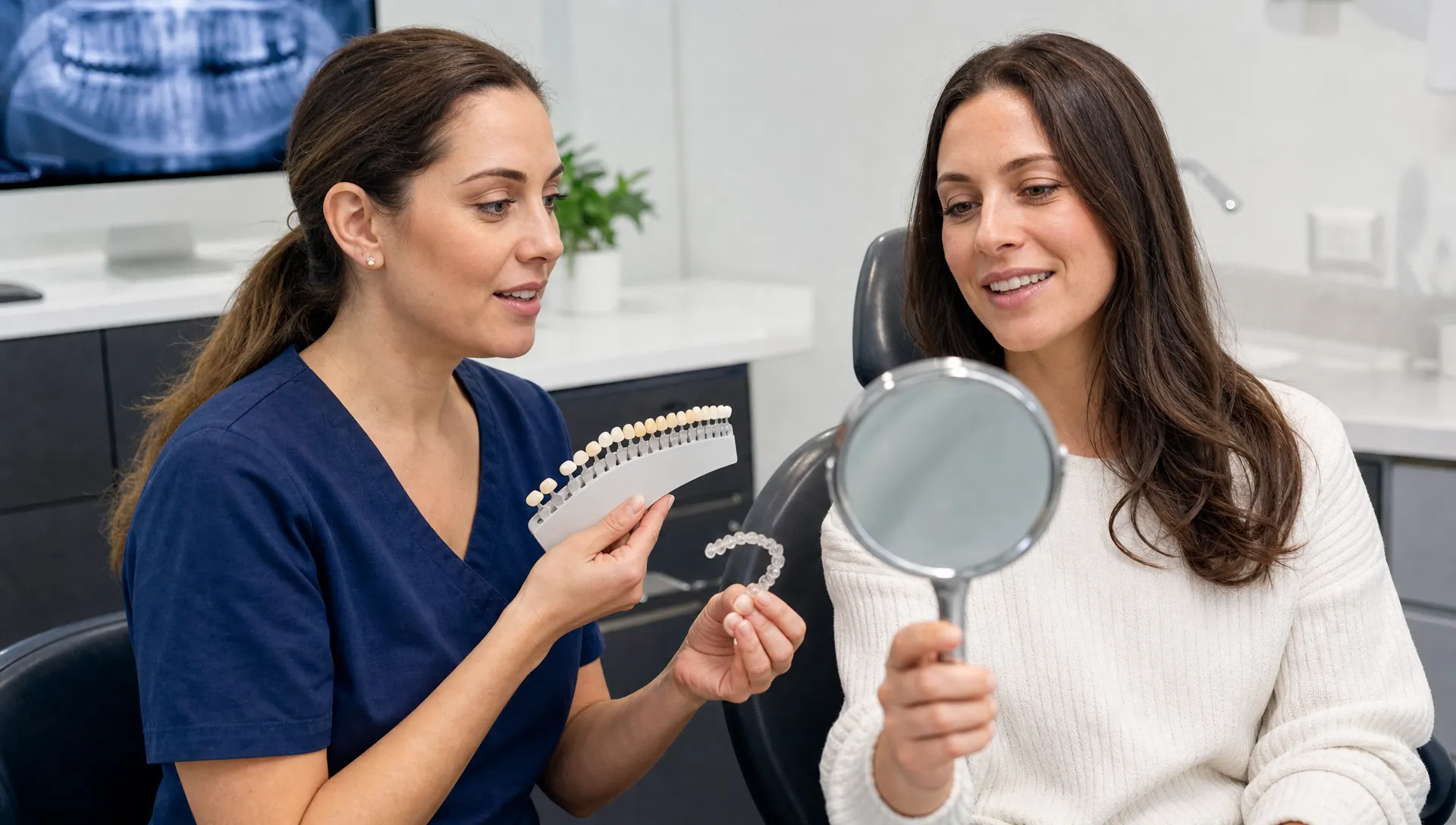
The confidence benefits of improving your smile
Aesthetic dental concerns can affect people more than they admit. Some patients avoid smiling in photographs, cover their mouth when laughing or feel anxious before social events. Others worry that stained, chipped or missing teeth make them look older than they feel.
Cosmetic dentistry can help by reducing the small daily moments of self-consciousness. A brighter or more even smile may make it easier to speak, smile and interact without thinking about your teeth first. West Malling Dental has also explored how dental confidence can change your life, particularly when patients have avoided treatment for years.
Confidence should not come at the cost of oral health. The most satisfying cosmetic outcomes are usually the ones that look natural, feel comfortable and are easy to maintain. A smile should fit your face, your bite and your lifestyle.
What happens at a cosmetic dentistry consultation?
A cosmetic consultation usually starts with a conversation. Your dentist will ask what you dislike about your smile, what you hope to achieve and whether you have a deadline, such as a holiday, wedding or work event. They may also ask about sensitivity, grinding, previous dental treatment and your general oral health.
The clinical assessment may include checking the teeth, gums, bite and existing restorations. X-rays may be needed if the dentist needs to assess tooth roots, bone levels or hidden decay. Photographs can also be useful for planning and for showing you details that are difficult to see in a mirror.
You should leave with a clearer understanding of your options. That may include a simple plan, such as hygiene and whitening, or a phased plan that deals with health first and appearance second. A good consultation should also cover treatment limitations, maintenance, likely timescales and costs before you commit.
How to keep your cosmetic results looking good
Cosmetic dentistry lasts longer when daily care is consistent. Whitening results fade faster if staining foods and drinks are frequent. Bonding can chip if you bite pens, open packaging with your teeth or grind heavily at night. Veneers, crowns and implants also need regular checks, just like natural teeth.
The basics make a real difference: brush twice daily with fluoride toothpaste, clean between the teeth, keep up with hygienist appointments and attend routine dental check-ups. If you grind your teeth, your dentist may recommend a night guard to protect bonding, veneers or crowns.
Maintenance is not a sign that treatment has failed. It is part of keeping your smile stable. Even the best cosmetic dentistry needs healthy gums, clean margins and sensible habits to stay looking its best.
Frequently Asked Questions
Is cosmetic dentistry only about appearance? Cosmetic dentistry focuses on appearance, but good treatment planning also considers oral health, bite function and long-term maintenance. A dentist should deal with decay, gum disease or infection before starting cosmetic work.
What is the quickest way to improve my smile? For many patients, hygiene treatment and professional whitening provide the quickest visible refresh. Small chips or uneven edges may also be improved with composite bonding, depending on your teeth and bite.
Does cosmetic dentistry hurt? Many cosmetic treatments are minimally invasive and should be comfortable. Whitening may cause temporary sensitivity for some patients. Treatments such as veneers, crowns or implants involve more planning, and your dentist will explain anaesthetic and aftercare where needed.
How long before an event should I start cosmetic dental treatment? Start as early as possible. Whitening and bonding may be completed relatively quickly, but Invisalign, veneers, implants or gum treatment can take longer. A consultation several months before a major event gives you more options.
Can cosmetic dentistry look natural? Yes, when it is carefully planned. Natural-looking results depend on tooth shape, shade, proportions, gum health and how the smile fits your face. The aim is usually improvement, not an artificial or overdone look.
Ready to improve your smile?
Cosmetic dentistry can brighten teeth, repair chips, straighten a smile, replace missing teeth and help you feel more confident in everyday life. The right starting point is a careful assessment, not a one-size-fits-all treatment.
If you are considering cosmetic dentistry in West Malling, Kings Hill or nearby areas of Kent, West Malling Dental & Implant Centre can help you explore suitable options in a relaxed private dental setting.