
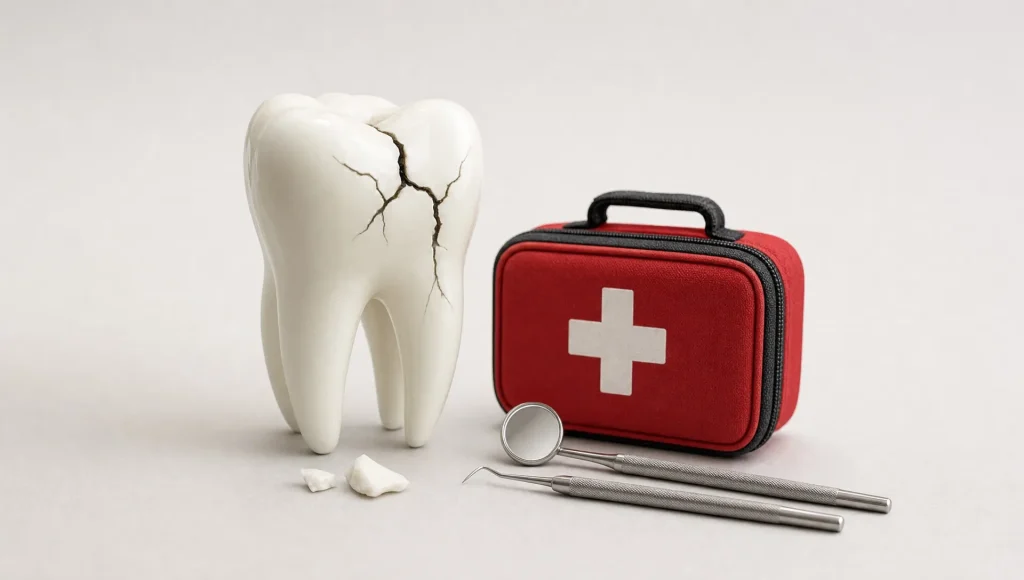
Dental pain has a way of taking over your day. One minute you are hoping it will settle, the next you are searching for help because the pain is sharp, your face is swelling, or a tooth has broken. Knowing when to seek emergency dental care can make the difference between saving a tooth and needing more complex treatment later.
If you are searching for “dentists available near me” because symptoms have suddenly become difficult to manage, the safest rule is simple: if pain, swelling, bleeding, trauma, or infection feels urgent, contact a dentist as soon as possible. At West Malling Dental & Implant Centre, patients in West Malling, Kings Hill, and nearby areas can access emergency same-day care for urgent dental problems.
What counts as a dental emergency?
A dental emergency is any oral health problem that needs prompt attention to relieve severe pain, stop bleeding, treat infection, or prevent permanent damage to teeth, gums, or the jaw. Not every broken filling or mild ache needs immediate treatment, but some symptoms should never be ignored.
Dental emergencies often fall into three broad categories: pain, infection, and injury. Pain may come from deep decay, a cracked tooth, an abscess, inflamed gums, or trauma. Infection can spread from a tooth or gum pocket into the face and neck. Injury can include a knocked-out tooth, a badly broken tooth, or damage after a fall or accident.
The NHS guidance on emergency dental treatment advises seeking urgent dental help if you need treatment quickly to relieve severe pain, swelling, or bleeding. If symptoms are severe or spreading, it is always better to ask for advice early rather than waiting to see what happens.
When to go to A&E or call 999 instead
Most urgent dental problems should be managed by a dentist, but a small number of situations need emergency medical care. Go to A&E or call 999 if you have:
- Swelling that affects your breathing, swallowing, eye, or neck.
- Uncontrolled bleeding after an injury or dental procedure.
- A serious facial injury, jaw fracture, or head injury.
- Signs of severe infection, such as fever, confusion, rapid worsening swelling, or feeling very unwell.
- Difficulty opening your mouth alongside facial swelling or fever.
These symptoms can indicate a spreading infection or significant trauma. A dentist can still be involved later, but your immediate safety comes first.
Signs you should call an emergency dentist the same day
Many dental problems are not life-threatening, but still need same-day attention. Contact a dentist urgently if you have any of the following.
Severe toothache that does not settle
A toothache that keeps you awake, worsens when you bite, throbs constantly, or does not respond to normal pain relief can signal nerve inflammation, deep decay, infection, or a cracked tooth. Severe dental pain rarely improves for long without treatment.
Facial, gum, or jaw swelling
Swelling around a tooth, gum, cheek, or jaw can point to an abscess. Dental abscesses need professional assessment because antibiotics alone may not solve the source of the infection. The tooth or gum often needs treatment to allow proper drainage and prevent the infection returning.
A knocked-out adult tooth
A knocked-out adult tooth is one of the most time-sensitive dental emergencies. If possible, pick it up by the crown, not the root. Do not scrub it. If it is clean and you feel able to, gently place it back into the socket and bite on a clean cloth. If that is not possible, store it in milk or saliva and seek emergency dental care immediately. The best chance of saving the tooth is usually within the first hour.
Do not put a baby tooth back into the socket, as this can damage the developing adult tooth underneath. A child with a knocked-out tooth should still be seen urgently.
A broken or cracked tooth with pain
Small chips can often wait, but a broken tooth that causes pain, sharp edges, sensitivity, or visible nerve exposure should be assessed quickly. Cracks can deepen under chewing pressure and may allow bacteria into the tooth.
Lost crown, bridge, filling, or veneer causing pain
A lost restoration is urgent if the exposed tooth is painful, sharp, sensitive, or at risk of breaking further. Keep the crown or restoration if you still have it, but do not use household glue to reattach it.
Bleeding that will not stop
After an extraction or injury, some bleeding can be normal. However, bleeding that continues despite firm pressure with clean gauze for 20 to 30 minutes should be checked urgently.
For more detail on local urgent appointment options, West Malling Dental has a dedicated guide to same-day dentist appointments for urgent dental problems.
| Symptom | How urgent is it? | What to do first |
|---|---|---|
| Severe swelling affecting breathing or swallowing | Medical emergency | Call 999 or go to A&E |
| Knocked-out adult tooth | Same-day emergency | Store correctly and call a dentist immediately |
| Severe toothache with swelling or fever | Same-day emergency | Contact a dentist urgently |
| Broken tooth with pain or sharp edges | Same day or next available urgent slot | Save any fragments and avoid chewing on that side |
| Lost filling with mild sensitivity | Prompt but not always same day | Cover sharp edges with dental wax if available and book an appointment |
| Mild intermittent sensitivity | Routine appointment | Monitor triggers and arrange a check-up |
What to do while waiting for emergency dental care
The steps you take before your appointment can reduce discomfort and protect the tooth. They are not a replacement for treatment, but they can help you stay safe until you are seen.
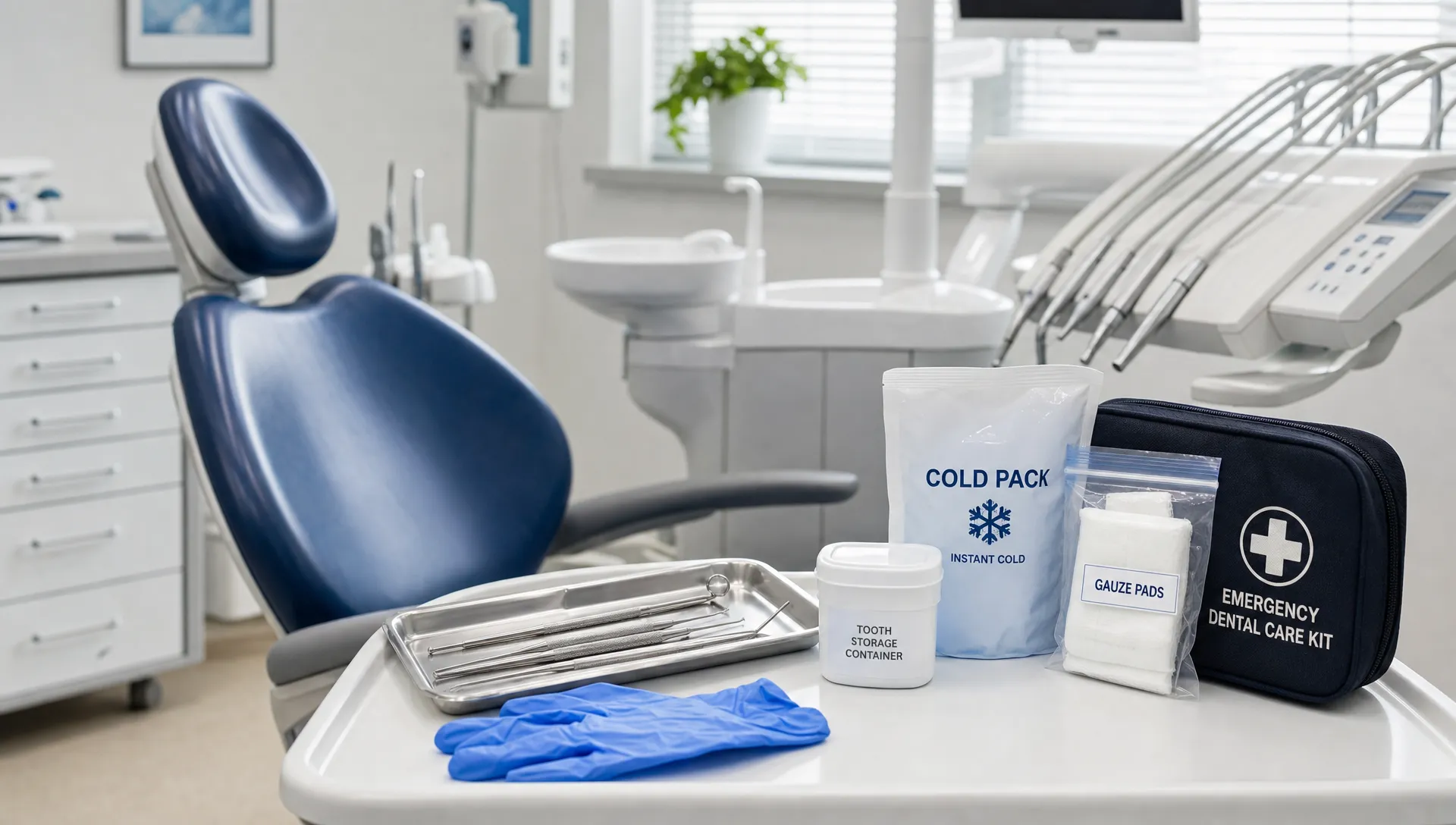
For pain, use over-the-counter pain relief only as directed on the packet, and avoid placing aspirin directly on the gum or tooth because it can burn soft tissue. A cold compress on the outside of the face may help with swelling after an injury. If there is bleeding, apply firm pressure with clean gauze or a clean cloth.
If a tooth has broken, avoid chewing on that side and keep any fragments in a small clean container. If a filling or crown has come out, avoid very hot, cold, or sugary foods until the tooth is protected again. If the area is sharp, dental wax from a pharmacy may help protect your tongue or cheek temporarily.
Avoid trying to drain swelling yourself, taking someone else’s antibiotics, or using DIY repair kits as a long-term solution. These can mask symptoms, delay proper treatment, or make the problem worse.
When a dental problem can usually wait
Some dental issues are uncomfortable or inconvenient but not true emergencies. You should still book an appointment, but they may not need same-day care unless symptoms change.
A small chip with no pain, mild sensitivity that comes and goes, a loose retainer, a lost filling with no pain, or bleeding gums during brushing can often be assessed at a routine appointment. That said, symptoms can escalate. If pain increases, swelling appears, or the tooth becomes difficult to bite on, contact a dentist sooner.
If you have not seen a dentist for a while, a routine examination can help identify problems before they turn urgent. Patients who are new to the practice may find it useful to understand what happens at a first dentist check-up before booking.
Why fast action matters
Dental emergencies rarely happen at a convenient time, but delaying care can make treatment more difficult. An infected tooth may develop into a larger abscess. A crack may spread deeper into the root. A loose crown can expose the tooth to decay. A knocked-out tooth may become impossible to reimplant if it is left too long.
Prompt care can also reduce the amount of treatment needed. For example, a painful cracked tooth might be restored if treated early, but may need root canal treatment or extraction if bacteria enter the nerve or the crack extends below the gumline.
Emergency dental care is not only about stopping pain. It is also about preserving your natural teeth, preventing complications, and helping you return to eating, sleeping, and speaking comfortably.
What happens at an emergency dental appointment?
An emergency appointment usually focuses on diagnosing the problem, relieving pain, and stabilising the tooth or gums. Your dentist will ask about your symptoms, when they started, what makes them better or worse, and whether you have swelling, fever, recent trauma, or relevant medical conditions.
You may need an X-ray to check for decay, infection, root damage, bone changes, or hidden fractures. The treatment depends on the cause. It might involve smoothing a sharp edge, dressing a tooth, re-cementing a crown, draining an abscess, prescribing medication where appropriate, starting root canal treatment, or extracting a tooth that cannot be saved.
Sometimes emergency treatment is the first stage, with a follow-up appointment needed for a definitive restoration such as a crown, filling, implant consultation, or cosmetic repair. Your dentist should explain the options clearly, including risks, benefits, and expected costs before treatment continues.
Dental emergencies, stress, and anxiety
Dental pain can be stressful, and stress can also contribute to dental problems. Clenching and grinding can crack teeth, trigger jaw pain, and damage restorations. During busy or difficult periods, people may also delay appointments, brush less consistently, snack more often, or smoke, all of which can affect oral health.
If you recognise that stress is affecting your mouth, it may help to read more about how stress can affect your teeth. For some people, wider support for stress, trauma, addiction, burnout, or depression is also part of protecting long-term health. Private treatment centres such as Montgó Lifestyle’s personalised approach to recovery and wellbeing show how structured support can sit alongside medical and dental care when broader life pressures are affecting day-to-day health.
If dental anxiety is the reason you have delayed treatment, tell the practice when you call. A calm, private dental setting can make a significant difference, especially when you are in pain and unsure what to expect.
How to reduce your risk of future dental emergencies
Not every emergency can be prevented, especially injuries and accidents. However, many urgent dental problems begin as smaller issues that could have been treated earlier.
Good prevention includes brushing twice daily with fluoride toothpaste, cleaning between teeth, limiting frequent sugary snacks and drinks, wearing a mouthguard for contact sports, and booking routine dental and hygienist appointments. If you grind your teeth, ask your dentist about protecting your teeth at night. If a filling, crown, or implant feels loose, do not wait until it breaks completely.
A regular check-up can often detect early decay, gum disease, cracks, and failing restorations before they become painful. Preventive care is usually simpler, more comfortable, and less expensive than emergency treatment.
Frequently Asked Questions
Is severe toothache always a dental emergency? Severe toothache that stops you sleeping, worsens quickly, comes with swelling, or does not respond to normal pain relief should be treated as urgent. A dentist can diagnose whether the cause is decay, infection, a crack, or another problem.
Should I go to A&E for a dental abscess? A dental abscess should usually be assessed by a dentist, but go to A&E or call 999 if swelling affects breathing or swallowing, spreads towards the eye or neck, or you feel very unwell with fever or confusion.
Can I wait if my crown has fallen out but I have no pain? If there is no pain, swelling, or sharp edge, it may not need same-day care, but you should still book promptly. The exposed tooth can become sensitive, decay, or break if left unprotected.
What should I do with a knocked-out adult tooth? Hold it by the crown, avoid touching the root, and do not scrub it. If possible, place it back in the socket. If not, store it in milk or saliva and call an emergency dentist immediately.
Can emergency dentists treat nervous patients? Yes. Tell the dental team you are anxious when you call, especially if pain has made you feel overwhelmed. They can explain what will happen, prioritise comfort, and help you feel more in control.
Need emergency dental care in West Malling or Kings Hill?
If you have severe toothache, swelling, a broken tooth, a knocked-out tooth, or a lost restoration causing pain, contact West Malling Dental & Implant Centre as soon as possible. The practice provides private emergency dental care in a relaxed setting, alongside family, preventive, cosmetic, implant, and Invisalign treatments.
For urgent symptoms, do not wait for them to become worse. Getting advice early is the best way to relieve pain, protect your oral health, and give your dentist the greatest chance of saving your tooth.