
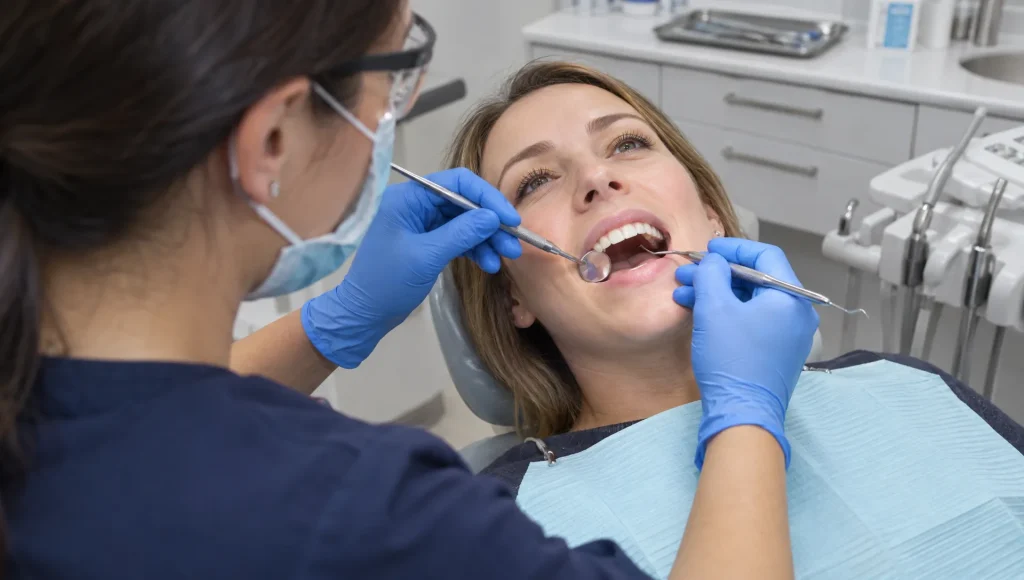
Composite bonding can lasts up to ten years before it needs touching up or replacing, although chips or staining can need attention sooner.
Bonding uses tooth-coloured composite resin to improve the shape of teeth, repair small chips or close suitable gaps. At West Malling Dental & Implant Centre, it is one of several cosmetic treatments available to patients in West Malling, Kings Hill and Tonbridge area.
How long does composite bonding usually last?
A treatment lifespan typically depends on factors such as oral habits and how many teeth are treated. This is a general guide, not a guarantee for an individual tooth.
Bonding does not have a fixed expiry date. A small chip repair and composite covering much of a tooth experience different forces. Someone who grinds their teeth may need maintenance earlier than someone with a stable bite and no damaging habits.
Appearance and function can also change at different rates. Resin may remain securely attached but lose its shine, pick up surface staining or develop a small rough edge. Polishing or a local repair may be enough, rather than replacing all the material.
What we check before Composite Bonding treatment
Long-lasting results start with assessing the teeth beneath the bonding. Decay, gum inflammation and existing cracks need attention before cosmetic work. Your dentist should also assess how your teeth meet when you bite and move your jaw.
The size and position of the proposed addition matter. Extending a front tooth into a heavily loaded area can make chipping more likely, particularly if you clench or grind.
If crowding or tooth position would compromise the result, aligning teeth before composite bonding may be worth discussing. At West Malling Dental Invisalign and bonding are often used together, allowing you to nail that perfect smile without compromise.
How to make composite bonding last longer
Keep the tooth and gum line clean
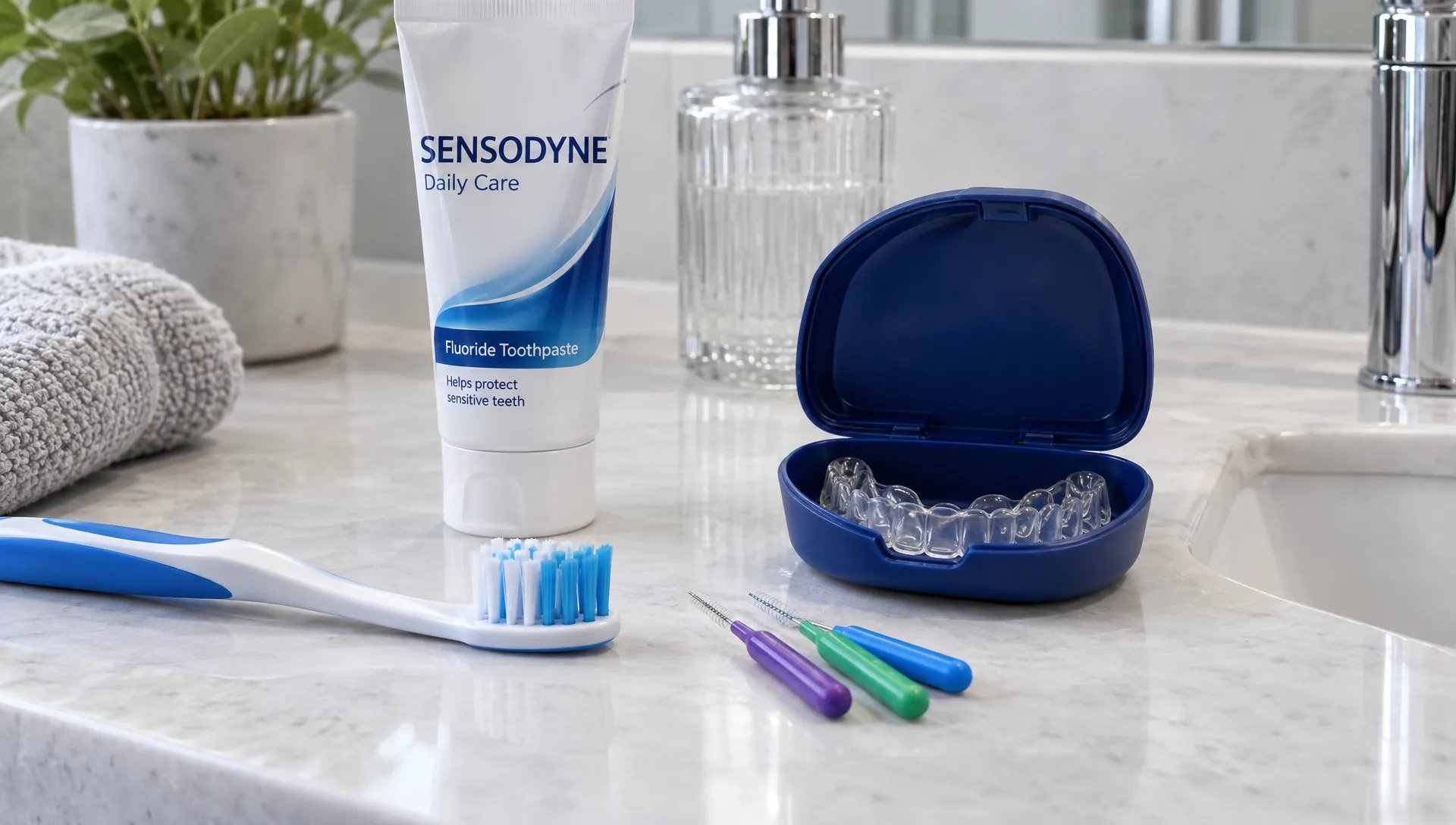
Brush twice daily with fluoride toothpaste and clean between your teeth every day using floss or appropriately sized interdental brushes. Bonding does not protect the underlying tooth from decay, and plaque can collect around its margins.
Keep to check-up and hygienist appointment intervals recommended for you. West Malling Dental offers hygienist appointments with Airflow to get the best results so tell the clinician which teeth are bonded so they can select suitable cleaning methods.
Reduce biting and grinding stresses
Avoid using your teeth to open packaging, bite nails or hold objects. Chewing ice and repeatedly biting very hard foods can damage both natural teeth and composite resin.
You do not usually need to avoid ordinary meals. However, cutting hard foods into smaller pieces can reduce direct pressure on bonded front edges.
If you wake with jaw soreness, notice flattened teeth or have repeatedly chipped restorations, tell your dentist. They can assess for grinding and discuss whether a professionally fitted night guard is appropriate. A guard may help protect teeth and restorations, but it does not guarantee that bonding will never chip.
Manage staining without aggressive scrubbing
Composite can stain over time, particularly with tobacco use and frequent exposure to drinks such as tea, coffee or red wine. Rinsing with water afterwards is a simple habit, though it cannot prevent all discolouration.
Avoid abrasive DIY treatments and vigorous scrubbing to remove stains. Ask your dentist whether professional polishing would help.
Whitening does not lighten composite resin in the same way as natural teeth. If you want a brighter smile, discuss the treatment sequence before bonding so the shade can be planned appropriately.
Does worn bonding need repairing or replacing?
Not every change means starting again. Your dentist will assess the resin, the underlying tooth and the cause of the problem before recommending treatment.
| Change you notice | What your dentist may consider |
|---|---|
| Surface staining or reduced shine | Professional cleaning or polishing |
| A small chip or rough edge | Smoothing or adding composite locally |
| A larger fracture or loose material | Repair or replacement after checking the tooth and bite |
| Decay around the bonding | Treating the decay and reassessing the restoration |
Arrange an appointment if an edge starts catching floss, food repeatedly gets trapped or the tooth becomes sensitive. Do not try to file or glue the material yourself.
Pain or swelling needs prompt dental assessment rather than waiting for a cosmetic review. West Malling Dental offers same-day emergency care; contact the practice to discuss your symptoms and availability.
Frequently asked questions
Can composite bonding last longer than ten years? It can, but this is not something a dentist can promise. Its condition, your bite and the health of the tooth determine whether it remains suitable.
Can chipped bonding be repaired? Often, yes. A dentist may be able to add resin to a localised chip, provided the remaining bonding and tooth are suitable. Repeated chips need investigation of the cause.
Plan your bonding care in West Malling
If you are looking for prices around West Malling, Kings Hill or Sevenoaks, West Malling Dental & Implant Centre offers composite bonding from £150 per tooth.
If you are new to the practice you maybe required to book a £65 new patient check-up including an X-ray. Confirm the current price, inclusions and any composite bonding offers when booking; the new patient examination offer is not a bonding treatment price.
Before your visit, consider these questions to ask before composite bonding. Get your personalised quotation covering treatment and likely maintenance, so you can plan for the finished smile and its ongoing care.