
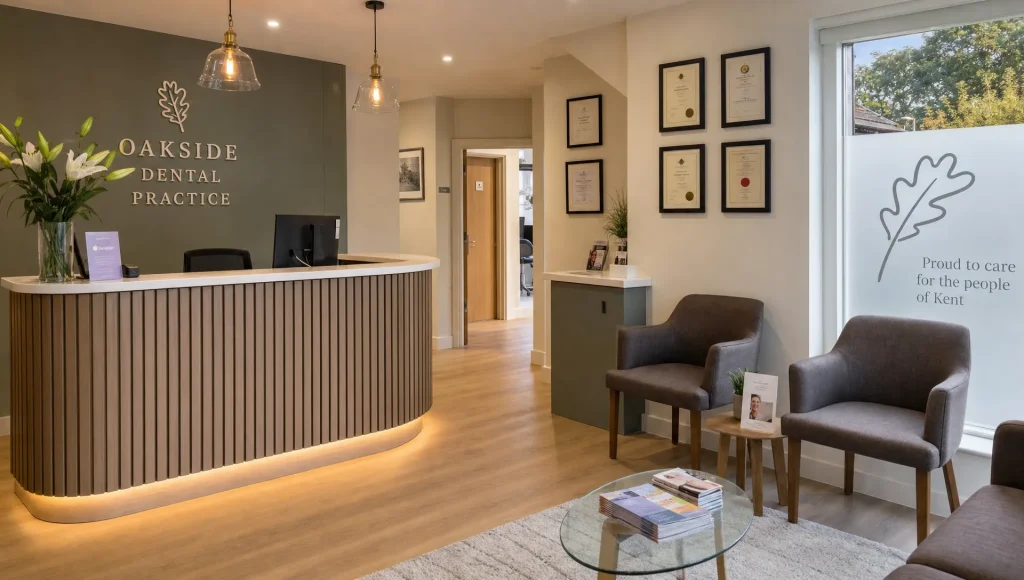
Choosing a private dentist in Kent is not just about finding the closest practice with an available appointment. The right dentist should help you feel comfortable, explain your options clearly, protect your oral health for the long term, and be there when something urgent happens.
Private dentistry can offer flexibility, more appointment time, a wider choice of treatments, and a more personalised experience. But every practice is different, so it pays to know what to look for before you register, especially if you are comparing dentists across West Malling, Kings Hill, Maidstone, Tonbridge or the wider Kent area.
This guide will help you assess a private dental practice with confidence, from clinical standards and prevention to emergency care, fees and communication.
Start with what you actually need
Before comparing websites or reading reviews, think about the type of dental relationship you want. Some patients simply need a regular check-up and hygienist support. Others are looking for a family dentist, help with dental anxiety, cosmetic improvements, Invisalign, dental implants, or an emergency appointment after pain or a broken tooth.
A good private dentist should be able to explain what they can provide in-house and when they may refer you to another clinician. This matters because dentistry is rarely a one-off purchase. Your needs may change over time, and it is reassuring to know your practice can support you through prevention, repairs, cosmetic choices and more complex treatment if needed.
It can help to write down your priorities before you call or book. For example, you may care most about:
- Convenient appointment times and a location that is easy to reach
- A calm, unhurried approach if you feel nervous about dental care
- Preventive care for the whole family, not just treatment when something goes wrong
- Access to cosmetic or restorative options such as whitening, bonding, crowns, veneers, Invisalign or implants
- Clear pricing and written treatment plans before you commit
Once you know your priorities, it becomes much easier to compare one practice with another.
Check professional registration and regulation
In the UK, dental professionals must be registered with the General Dental Council. You can check a dentist, hygienist, therapist or nurse on the GDC register. This is a basic but important step, particularly if you are considering a new clinician for advanced treatment such as implants, orthodontics or cosmetic dentistry.
In England, dental practices are also regulated by the Care Quality Commission. The CQC looks at whether services are safe, effective, caring, responsive and well-led. A practice’s inspection information can give you useful reassurance about systems, cleanliness, governance and patient care.
Registration and regulation do not tell you everything about the patient experience, but they create a baseline. If a practice makes it easy to identify its clinicians, credentials and regulatory information, that is usually a good sign of transparency.
Look for a prevention-first approach
A high-quality private dentist should not only fix problems. They should help you avoid them. Prevention is one of the clearest differences between dentistry that feels reactive and dentistry that protects your health over the long term.
During a first appointment, listen for whether the dentist talks about your gum health, brushing technique, diet, tooth wear, bite, previous dental history and risk factors. The aim should be to understand why problems happen, not simply to fill, extract or crown teeth when damage appears.
This is especially important because gum disease and decay can progress quietly. You may not feel pain until a problem is more advanced. Regular check-ups and hygiene visits allow your dental team to spot changes early, give practical advice and tailor recall intervals to your risk. If you want to understand this long-term approach in more detail, West Malling Dental explains the habits that support keeping your teeth healthy for life.
A prevention-led practice should also take gum care seriously. Gum disease is one of the major causes of tooth loss in adults, and early signs can be easy to miss. If you notice bleeding when brushing, persistent bad breath, gum recession or loose teeth, it is worth choosing a practice that gives hygienist care proper attention. You can also read more about preventing gum disease and why early action matters.
Consider the range of treatments, but do not be dazzled by a menu
A broad treatment list can be useful, but it should not be the only reason you choose a private dentist in Kent. What matters is whether the practice can guide you to the right treatment for your situation, explain alternatives honestly, and help you weigh the benefits, limitations and maintenance involved.
For routine patients, it is useful if a practice offers family dental care, check-ups, hygienist appointments, fillings, crowns and emergency appointments. For patients thinking about smile improvements, cosmetic services such as whitening, composite bonding, veneers and Invisalign clear braces may be relevant. For missing teeth or failing teeth, dental implants may be worth discussing.
However, more treatment choices should come with more careful planning. A responsible dentist should explain whether your gums are healthy enough for cosmetic work, whether tooth whitening is suitable before bonding or veneers, and whether implant treatment needs scans, bone assessment or preparatory care. If a plan feels rushed, or if only the most expensive option is presented, pause and ask more questions.
Ask how emergencies are handled
Dental emergencies are a major reason people look for a new dentist. Toothache, swelling, broken teeth, lost crowns and trauma can be stressful, especially if you do not already have a practice that knows you.
When choosing a private dentist, ask what happens if you call with pain. Can they offer same-day emergency care when available? Do they set aside urgent appointments? Will they give advice over the phone if you are unsure whether the problem is urgent? Are emergency fees explained before you attend?
This matters even if you are registering for routine care. A practice that can support you quickly in an emergency gives peace of mind, and existing patients may find it easier to access help because the team already has their history, X-rays and treatment notes.
Compare value, not just the headline fee
Private dental fees vary across Kent, and the cheapest appointment is not always the best value. A low headline price may not include X-rays, photographs, periodontal charting, treatment planning or the time needed to discuss your options properly. On the other hand, a higher fee should be justified by thoroughness, clarity and quality of care.
Before booking, ask what is included in a new patient check-up. For example, West Malling Dental & Implant Centre advertises a new patient appointment for £65 including an X-ray, which gives prospective patients a clear starting point. Whatever practice you choose, the key is to understand what the appointment covers and what may cost extra.
A good private dentist should provide clear estimates before treatment begins. For larger plans, you should expect a written treatment plan that outlines the proposed stages, likely fees and alternatives. You should never feel pressured to decide immediately, especially for elective cosmetic treatment.
| What to compare | What good looks like | Why it matters |
|---|---|---|
| Registration and regulation | Clinicians are GDC registered and the practice is CQC regulated | Confirms the practice meets essential professional and safety standards |
| First appointment | Includes a thorough examination, relevant X-rays and time to discuss concerns | Helps the dentist understand your full oral health picture |
| Preventive care | Gum health, hygiene advice and risk factors are taken seriously | Reduces the chance of avoidable problems and future costs |
| Treatment options | The dentist explains suitable choices, including pros and cons | Supports informed decisions rather than rushed treatment |
| Emergency access | The practice has a clear process for urgent dental problems | Gives reassurance if pain, swelling or breakage occurs |
| Fees and estimates | Costs are explained before treatment begins | Helps you plan and avoid surprises |
| Communication style | The team listens, explains clearly and answers questions | Builds trust and makes dental visits less stressful |
Pay attention to communication and consent
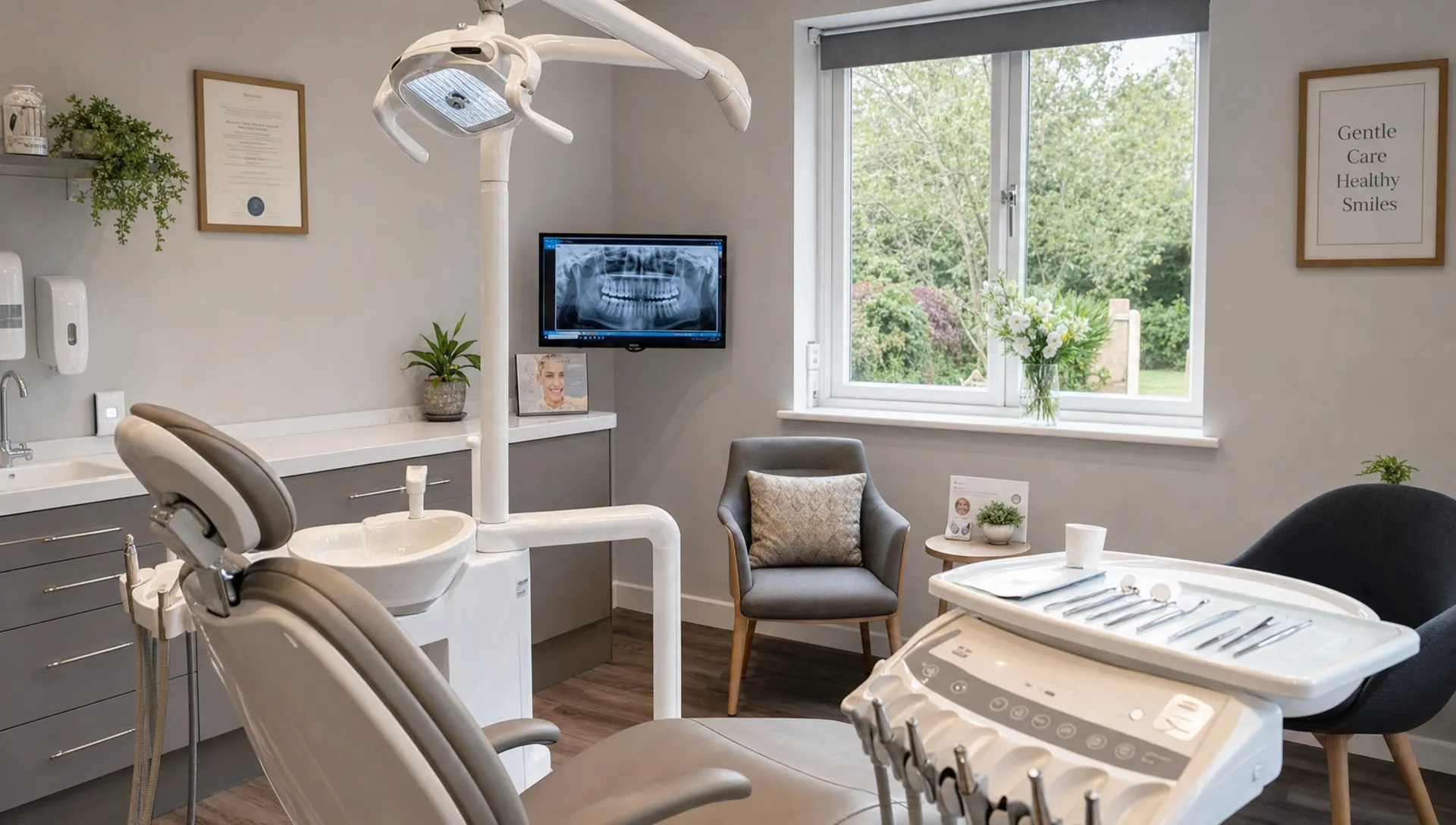
The way a dentist communicates during your first visit tells you a lot. Good dentistry is built on trust, and trust depends on clear explanations. You should feel able to ask what is happening, why a treatment is recommended, what alternatives exist, and what may happen if you choose to wait.
Consent is not just signing a form. It means understanding your diagnosis, the purpose of treatment, the risks, the expected outcome, the maintenance involved and the costs. This is particularly important for cosmetic treatment, Invisalign and implants, where patient expectations need to be realistic from the start.
If you feel nervous, say so. A good private practice should take that seriously. Many patients avoid dentistry because of a difficult past experience, embarrassment about their teeth, or fear of pain. The right team will not judge you. They will work with you at a pace you can manage and explain how appointments can be made more comfortable.
Read reviews carefully, but keep them in perspective
Online reviews can be helpful, but they should not be your only decision-making tool. Look for patterns rather than one-off comments. Do patients mention feeling listened to? Do they describe the practice as calm, professional and clear about treatment? Are there comments about emergency help, nervous patients, children, hygiene appointments or cosmetic results?
Be cautious if reviews focus only on speed or price. Fast treatment can be welcome in an emergency, but comprehensive care often requires proper assessment and planning. Similarly, a very cheap option may not represent good value if it leads to repeated repairs or poor aftercare.
It is also worth asking friends, family or colleagues in Kent about their experiences. Personal recommendations are useful because they often include details that reviews miss, such as how the receptionist handled a worried call or how well the dentist explained options over time.
Think about location and long-term convenience
Location may sound practical rather than clinical, but it has a real impact on your dental health. If a practice is hard to reach, you are more likely to delay check-ups, postpone hygiene visits or ignore early symptoms.
For patients in West Malling, Kings Hill and surrounding areas, choosing a nearby private dentist can make routine care easier to maintain. This is especially true for families, people with busy work schedules, older patients, and anyone having staged treatment such as Invisalign, crowns, implants or cosmetic dentistry.
Parking, public transport links, opening hours and the ease of booking all affect whether you will actually attend. The best dental plan is the one you can realistically keep up with.
Questions to ask before choosing a private dentist in Kent
A short phone call or initial consultation can tell you a great deal. You do not need to interrogate the practice, but you are entitled to understand how they work.
Useful questions include:
- What is included in the new patient examination?
- Are X-rays included or charged separately?
- How do you assess gum health?
- Do you offer hygienist appointments, and how often might I need them?
- What happens if I have a dental emergency?
- Will I receive a written treatment plan and estimate?
- Do you offer the treatments I may need in the future, such as whitening, Invisalign or dental implants?
- How do you support nervous patients?
The answers should be clear, calm and practical. If the team seems impatient before you have even booked, that may be a sign to keep looking.
Red flags to watch for
Most dental practices want the best for their patients, but it is still sensible to be alert. Be cautious if a practice is vague about who will treat you, reluctant to explain costs, dismissive of your concerns, or pushy about cosmetic work before checking your oral health.
You should also be wary of promises that sound too certain. Dentistry involves biology, habits and maintenance. No ethical clinician can guarantee that a treatment will last forever or that complex treatment will be risk-free. What they can do is assess carefully, explain clearly, use appropriate materials and techniques, and support you with follow-up care.
For advanced treatment, aftercare matters as much as the procedure itself. Implants, veneers, crowns and orthodontic treatment all require maintenance. A practice that talks openly about long-term care is usually thinking beyond the appointment in front of them.
Frequently Asked Questions
How do I know if a private dentist is reputable? Check that the dentist is registered with the GDC, the practice is regulated by the CQC, and the team provides clear information about treatment options, fees and consent. Reviews and personal recommendations can also help, but they should support, not replace, these checks.
Is a private dentist better than an NHS dentist? Not necessarily better in every case, but private dentistry may offer more appointment flexibility, more time for discussion, and access to a wider range of cosmetic or advanced treatments. The best choice depends on your needs, budget and the quality of care provided.
What should happen at a new patient dental check-up? A new patient check-up should usually include a discussion of your concerns, a review of your dental and medical history, an examination of your teeth and gums, and any necessary X-rays. You should leave with a clearer understanding of your oral health and any recommended next steps.
Should I choose a dentist that offers cosmetic treatments even if I only need routine care? It can be helpful, especially if you may want whitening, bonding, veneers or Invisalign in the future. However, routine and preventive care should still be the foundation. Cosmetic treatment should only be recommended after your oral health has been properly assessed.
How important is emergency dental care when choosing a practice? It is very important. Even if your teeth feel healthy now, pain, swelling or a broken tooth can happen unexpectedly. Choosing a practice with a clear emergency process can make stressful situations much easier to manage.
Ready to choose with confidence?
If you are looking for a private dentist in Kent, take your time to compare more than fees and distance. Look for a practice that is regulated, prevention-focused, clear about costs, calm in its communication and able to support both routine and more advanced care.
For patients around West Malling and Kings Hill, West Malling Dental & Implant Centre offers private family, preventive, cosmetic and emergency dental care in a relaxed setting, including new patient check-ups, hygienist care, dental implants, Invisalign and cosmetic treatments. A good first appointment is often the simplest way to find out whether a practice feels right for you.