
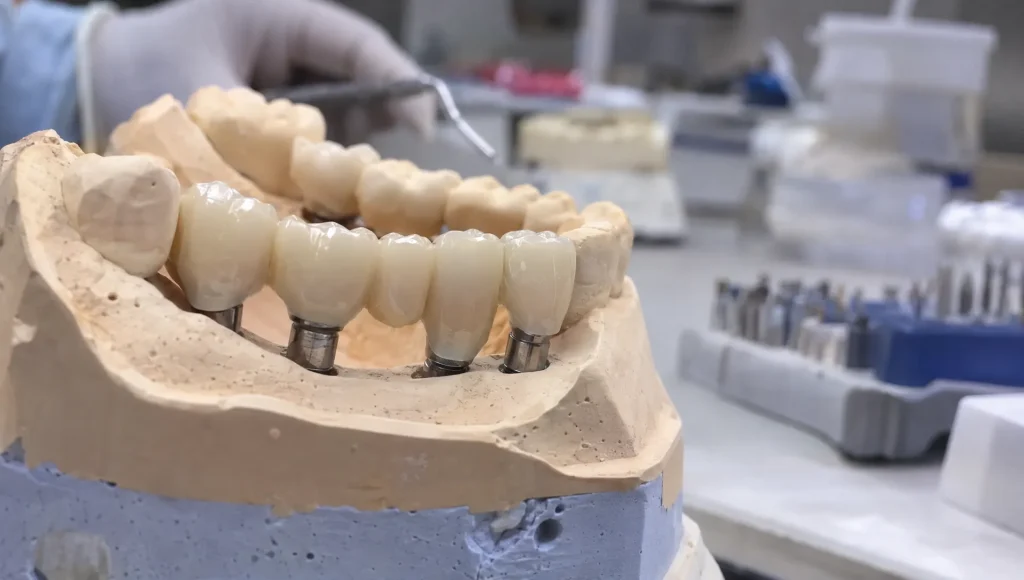
An implant-supported bridge can replace several missing teeth without relying on neighbouring teeth for support. If you are searching for an experienced dental implant centre, the preparation matters as much as the finished smile. Healthy gums, suitable bone and a well-planned bite help create the best conditions for treatment. West Malling Dental & Implant Centre offers dental implants in Kent, alongside preventive care to support your oral health.
Which implant options might support your replacement teeth?
Most dental implants are screw-shaped endosteal implants made from titanium, securely fixed to your jawbone. The implant replaces a tooth root; the crown or bridge attached above it replaces the visible tooth.
The restoration depends on how many teeth are missing and where they are positioned:
| Option | What it replaces | Planning consideration |
|---|---|---|
| Single implant and crown | One missing tooth | Space between neighbouring teeth and roots |
| Implant-supported bridge | Several adjacent missing teeth | Implant positions, bridge span and biting forces |
| Full-arch implant bridge | All teeth in one jaw | Bone availability, support distribution and cleaning access |
Short or narrow implants may suit selected sites. Complex upper-jaw bone loss sometimes requires specialist options such as zygomatic implants, which anchor into the cheekbone. These approaches are not interchangeable or suitable for everyone. Ask which options your treating clinician provides and whether specialist referral is needed.
What should a bridge dental clinic check before treatment?
Your medical history and oral examination
Your dentist needs to understand your general health before recommending surgery. Tell them about diabetes, smoking, previous gum disease, radiotherapy and all medicines, particularly blood-thinning or bone-strengthening treatments. Do not stop prescribed medication yourself.
The examination checks remaining teeth, gum health, available space and how your jaws meet. Tooth grinding or clenching also matters because it can increase the load on a bridge.
X-rays help assess the bone and surrounding structures. A cone beam CT scan, or CBCT, may be recommended where clinically justified to assess bone dimensions and the position of nerves or sinuses. Not everyone needs the same imaging.
Healthy gums and sufficient bone
Untreated gum disease or dental infection may need attention before implant placement. Bleeding gums deserve assessment, even when they are not painful; the NHS guidance on gum disease explains common warning signs.
The dentist will also assess whether the jawbone can support implants in positions that suit the planned teeth. Insufficient bone may mean a bone graft or, in selected upper-jaw cases, a sinus lift. These procedures can add healing time and cost.
West Malling Dental’s guidance on avoiding common implant pitfalls provides further information on preparation and aftercare.
Planning the bridge before placing the implants
Positioning your new teeth is important. Impressions or digital scans, photographs and bite records can help the team plan tooth shape, spacing and support.
Your dentist should consider appearance, speech and making sure you can clean underneath the finished bridge. The number of implants does not necessarily equal the number of missing teeth.
The dental technician will prepare the porcelain bridge and pick the right shade if required.
Agreeing the sequence and temporary teeth
Some implants can be placed when a tooth is removed; others are placed after the socket has healed. Your dentist should explain which sequence suits your bone, infection risk and bridge design.
A temporary replacement may be possible during healing, but immediate fixed teeth are not suitable for everyone. The implants usually need several months to integrate with the bone before the definitive bridge is fitted. Grafting can extend this timetable.
Preparing for your implant appointment
Before treatment, make sure you have:
- An up-to-date medication list and any requested medical information.
- Understand instructions about eating, drinking and taking your usual medicines.
- Arranged transport or an escort if required for sedation.
Smoking can impair healing and increase implant complications. Discuss stopping before surgery and staying smoke-free afterwards. Your dentist should also explain risks, including infection, failure to integrate and site-specific nerve or sinus complications, before you consent.
10% OFF at West Malling Dental
We are currently offering 10% OFF an “All on 4” full arch fixed porcelain bridge and single implants from £60pcm*. Book a 30 minute Consultation with Gerry for £45 (Half price) to start your journey.
Frequently asked questions
Does everyone need a bone graft? No. It depends on the amount and shape of bone available where the implants need to sit. Examination and appropriate imaging help establish whether grafting is necessary.
Can an implant-supported bridge be fitted on the day of surgery? Sometimes a temporary fixed bridge is possible, but only when clinical conditions allow. Same-day temporary teeth should not be confused with the definitive bridge.
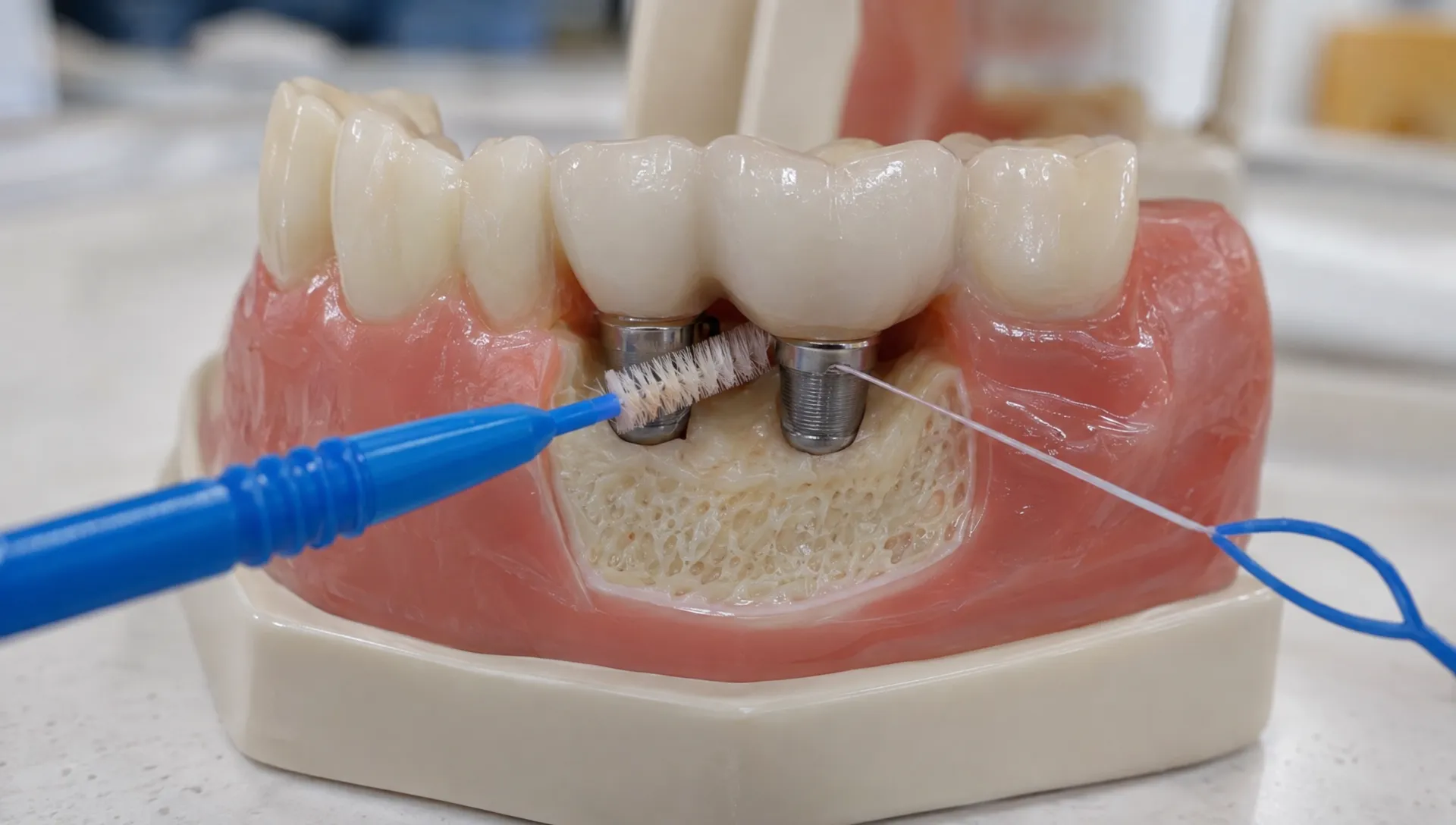
How will I clean underneath the bridge? Your dental team should demonstrate suitable interdental brushes, floss threaders or other aids. Cleaning access should be considered during bridge design, with ongoing dental and hygiene reviews after treatment.
Discuss your implant bridge with West Malling Dental
If you are looking for a dental implant centre near West Malling or Kings Hill, contact West Malling Dental & Implant Centre to discuss assessment and treatment options. Ask what preparation your mouth needs, how temporary teeth would be managed and what the complete treatment estimate includes.
*Repaid over 24 months with 50% deposit.