
Choosing dental implants is rarely just about replacing a tooth. For many people, it is about eating comfortably again, speaking without feeling self-conscious and seeing a complete smile in the mirror. A well-planned implant journey can help restore confidence as well as function, but it helps to know what happens at each stage before you begin.
New smile dental implants usually involve several appointments rather than a single visit. That is a good thing. Each step gives your dentist time to check your oral health, plan the implant position carefully and create a restoration that looks natural alongside your existing teeth.
This guide walks you through the typical treatment journey, from your first consultation to long-term maintenance, so you can feel more prepared when discussing implants with your dentist.
What are new smile dental implants?
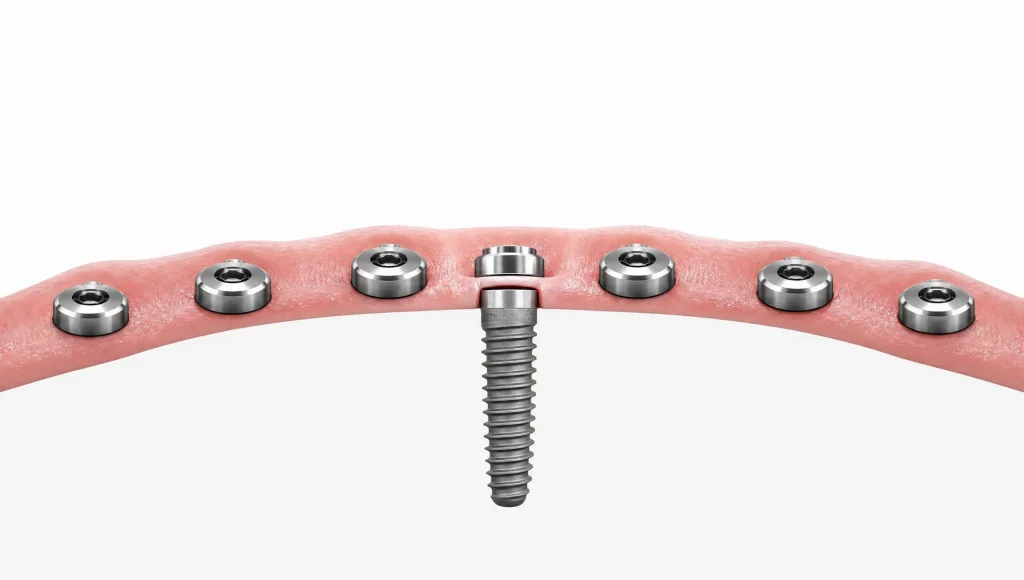
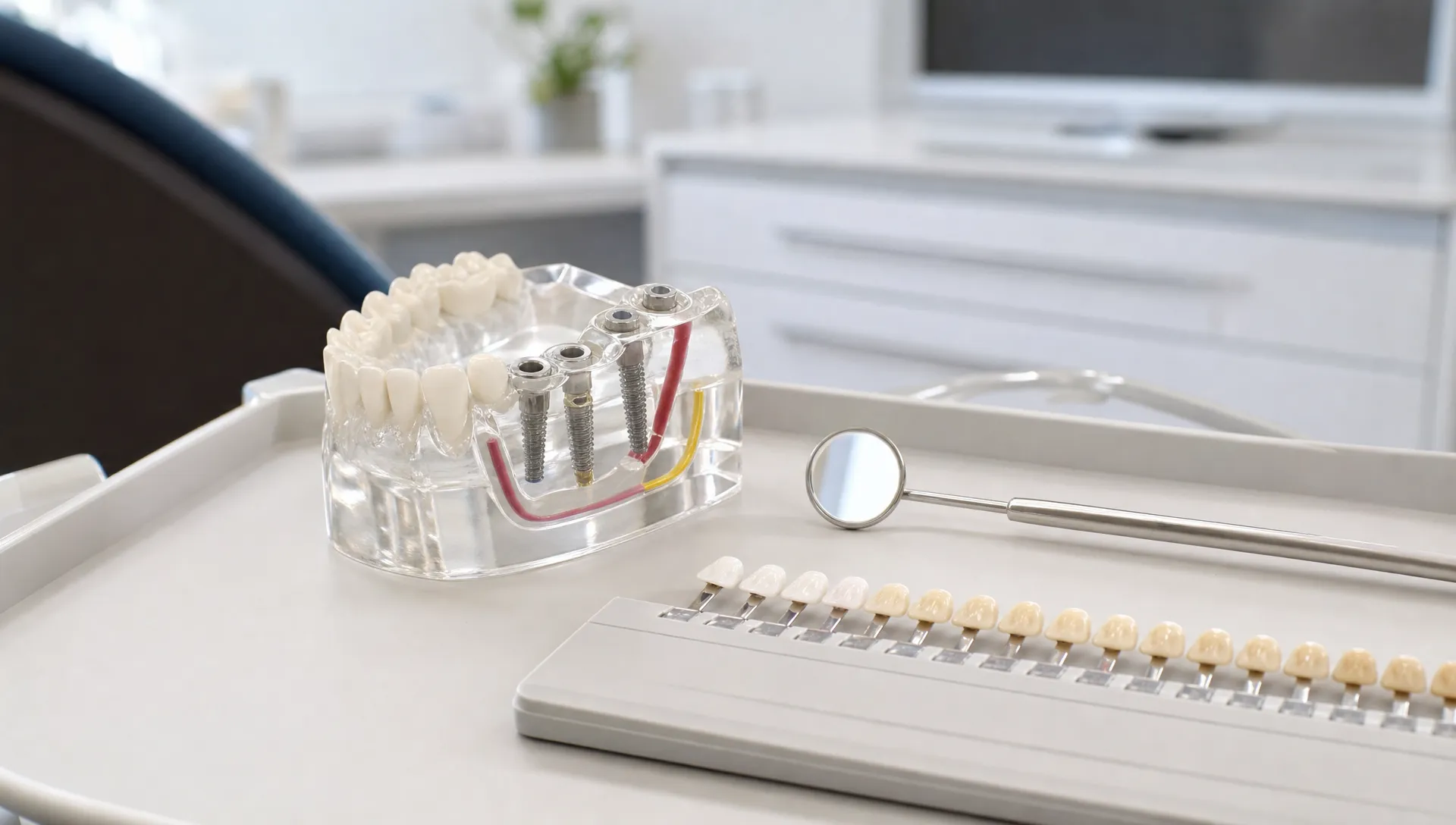
A dental implant is a small artificial tooth root placed into the jawbone. Once it has healed and integrated with the bone, it can support a crown, bridge or denture, depending on how many teeth are missing.
For a single missing tooth, the implant often supports one crown. For several missing teeth, implants may be used to hold a bridge. For patients who struggle with loose dentures, implants can sometimes be used to improve stability and comfort.
The aim is not only to fill a gap. Good implant treatment considers your bite, gum line, smile shape, bone levels, speech, hygiene routine and long-term oral health. If your main concern is appearance, implants may also be discussed alongside other options such as whitening, Invisalign or bonding. West Malling Dental has a helpful overview of which cosmetic dental treatment may be right for you if you are comparing ways to improve your smile.
Step 1: Your first consultation and assessment
Your implant journey begins with a conversation. Your dentist will want to understand what bothers you, what you hope to achieve and whether you have any concerns about treatment. Some patients want to replace one tooth discreetly. Others want a broader smile transformation after years of missing teeth or uncomfortable dentures.
A clinical assessment will usually include checking your teeth, gums, bite and soft tissues. Your dentist will also ask about your medical history, medications, smoking status and any previous dental treatment. This matters because conditions such as gum disease, uncontrolled diabetes or heavy smoking can affect healing and implant success.
X-rays are commonly used to assess bone levels and the health of neighbouring teeth. In some cases, more detailed imaging may be recommended to plan the safest implant position. At this stage, your dentist is not simply checking whether an implant can be placed. They are looking at whether the whole mouth is ready for implant treatment.
Step 2: Building a treatment plan around your smile
After the assessment, your dentist can explain your options. A clear plan should cover the number of implants needed, whether any preparatory care is required, the likely sequence of appointments and the type of final restoration.
For example, one missing molar may need a different plan from a missing front tooth. A front tooth replacement often needs especially careful attention to gum shape, tooth shade and the way the crown emerges from the gum. A patient with several missing teeth may need to compare an implant bridge with other restorative options.
This is also the right time to ask practical questions. How many visits are likely? Will you need a temporary tooth? What should you avoid after surgery? How will costs be structured? A good plan should feel understandable, not rushed.
It is worth thinking about your diary as well. Implant appointments are planned around healing, so they may need to fit around work, family and travel. If sedation is ever part of dental treatment, always follow your dentist's specific advice about being accompanied and not driving afterwards.
Step 3: Preparing the mouth for implant treatment
Some patients can move straight to implant placement. Others need preparatory treatment first. This is not a setback. It is often what helps create a healthier foundation for a better result.
Preparatory care may include treating gum inflammation, removing a failing tooth, improving oral hygiene or allowing an extraction site to heal. If there is not enough bone to support an implant, your dentist may discuss additional procedures, depending on your individual case.
A hygienist appointment can be particularly valuable before implant treatment. Healthy gums reduce inflammation and make it easier to maintain the implant once it is restored. West Malling Dental offers hygienist care with Airflow, which can be useful for removing plaque and staining as part of a wider oral health plan.
This stage is also a good opportunity to refine your home routine. Brushing technique, interdental cleaning and regular dental reviews all play a role in protecting both natural teeth and future implants.
Step 4: The implant placement appointment
The implant placement appointment is the surgical stage of treatment. Many patients feel nervous before this visit, especially if they have never had dental surgery before. Your dentist will explain what to expect beforehand, including how the area will be numbed and what aftercare you need at home.
During placement, the implant is positioned in the jawbone according to the treatment plan. The gum is then closed or shaped around the implant, depending on the technique used. You may leave with a temporary solution if it is suitable for your case, especially when the missing tooth is visible in the smile.
After the appointment, it is normal to have some tenderness, swelling or bruising. Your dental team should give you clear instructions on cleaning, eating, pain relief and when to call for advice. Following these instructions closely helps protect the healing site during the first few days.
Step 5: Healing and osseointegration
Dental implants need time to heal. The key biological process is called osseointegration, where bone grows around the implant surface and helps hold it securely in place. This stage can take several months, although the exact timing varies from person to person.
Healing time depends on factors such as bone quality, the implant site, whether any additional procedures were needed and your general health. It is sensible to see this period as part of the treatment rather than a delay. The stronger and healthier the foundation, the better the chance of a stable long-term result.
During healing, you may have review appointments so your dentist can check the implant site and make sure everything is progressing as expected. If you have a temporary tooth, you will be advised how to clean it and what foods to avoid so you do not overload the implant too early.
Step 6: Designing the final tooth or teeth
Once the implant is ready, your dentist can begin the restorative phase. This is where the visible part of your new smile is created.
Impressions or digital scans may be taken so the dental laboratory can make your crown, bridge or implant-retained denture. The final restoration should be designed to fit your bite and blend with your smile. Shade, shape, translucency and gum contour all matter, particularly for front teeth.
For highly aesthetic cases, additional laboratory involvement can sometimes be useful. If you want to understand why, West Malling Dental explains how a dental implant laboratory visit can help with the best aesthetic look, including more precise shade matching and natural characterisation.
This stage is also when small refinements can make a big difference. A crown that is technically strong but too bright, too flat or the wrong shape can stand out. A carefully designed restoration should look like it belongs in your mouth.
Step 7: Fitting your new smile
When your final restoration is ready, your dentist will fit it to the implant and check the bite carefully. They will assess how it feels when you close your teeth together, how easy it is to clean and how it looks in relation to the rest of your smile.
It may take a short period to get used to the new tooth, especially if the gap has been present for a long time. Your tongue and chewing muscles adapt quickly, but you should tell your dentist if anything feels high, sharp or difficult to clean.
Before you leave, you should be shown how to care for the implant restoration. This may involve interdental brushes, floss designed for implants or other cleaning aids. The exact advice depends on whether you have a single crown, bridge or denture.
Typical dental implant journey timeline
Every case is different, but the table below gives a general idea of how the stages often fit together. Your own treatment plan may be shorter or longer depending on your oral health and whether preparatory care is needed.
| Stage | What usually happens | Why it matters |
|---|---|---|
| Consultation and assessment | Discussion, examination and X-rays | Confirms whether implants are suitable and identifies any risks |
| Treatment planning | Options, sequence, costs and expected timings are explained | Helps you make an informed decision before treatment starts |
| Preparatory care | Hygiene treatment, extraction or other care if needed | Creates a healthier foundation for implant placement |
| Implant placement | The implant is placed into the jawbone | Replaces the missing tooth root |
| Healing phase | The implant integrates with the bone | Builds stability before the final restoration is fitted |
| Restoration phase | Crown, bridge or denture is designed and fitted | Creates the visible new tooth or teeth |
| Maintenance | Dental reviews and hygiene visits | Protects the implant and surrounding gums long term |
How to prepare for your implant journey
Preparation is partly clinical and partly practical. The more you understand the process, the easier it is to approach each appointment calmly.
A few simple steps can help:
- Keep your gums as healthy as possible before treatment with daily brushing and interdental cleaning.
- Tell your dentist about medications, health conditions and any changes to your medical history.
- Stop smoking if you can, or ask for support to reduce smoking before and after surgery.
- Plan softer meals for the first few days after implant placement.
- Avoid putting pressure on the healing area until your dentist says it is safe.
- Attend review and hygienist appointments, even if the implant feels fine.
Smoking is worth highlighting because it can affect gum health and healing. If you smoke, it does not automatically mean implants are impossible, but your dentist will need to discuss the risks honestly.
Long-term care after dental implants
Dental implants cannot decay like natural teeth, but the gum and bone around them still need care. Plaque can cause inflammation around an implant, which may lead to peri-implant disease if ignored. That is why maintenance is not optional.
A good long-term routine usually includes daily cleaning at home, regular dental examinations and professional hygiene appointments. Your dentist or hygienist can show you which tools suit your implant design. The best cleaning method for a single implant crown may not be the same as the best method for an implant bridge.
Bite forces also matter. If you grind or clench your teeth, your dentist may recommend protective measures. If you notice movement, soreness, bleeding, a change in bite or difficulty cleaning around the implant, book an appointment rather than waiting for your next routine visit.
Patients often ask how long implants last. The honest answer is that longevity depends on planning, placement, restoration quality, oral hygiene, general health and maintenance. For a deeper look at this topic, read West Malling Dental's guide to how long dental implants last.
Are new smile dental implants right for you?
Implants can be an excellent option for many adults with missing teeth, but they are not the only option. The right choice depends on your mouth, your expectations and your priorities.
You may be a suitable candidate if you have one or more missing teeth, reasonably healthy gums and enough bone to support an implant. If there are concerns, your dentist can explain whether they can be managed before treatment. If implants are not the best route, alternatives such as bridges, dentures or cosmetic treatments may still help improve function and appearance.
The most important step is getting a proper assessment. Online research can help you understand the journey, but only a dental examination can show what is realistic for your smile.
Frequently Asked Questions
Is dental implant treatment painful? The implant area is numbed for placement, so you should not feel pain during the procedure. Some soreness, swelling or bruising can happen afterwards, and your dental team will explain how to manage this at home.
How long does the dental implant journey take? Many implant journeys take several months because the implant needs time to integrate with the bone before the final restoration is fitted. Some cases take longer if preparatory treatment is needed.
Can implants replace more than one missing tooth? Yes. Implants can support single crowns, bridges or certain denture designs. The number of implants needed depends on how many teeth are missing, bone levels and the type of restoration planned.
Will my implant tooth look natural? A carefully planned implant crown can look very natural. The final appearance depends on gum health, implant position, laboratory work, shade matching and the shape of the restoration.
Do dental implants need special cleaning? They need thorough daily cleaning, but the tools may differ from those used for natural teeth. Your dentist or hygienist can recommend interdental brushes, floss or other aids based on your restoration.
Can I have implants if I have gum disease? Active gum disease usually needs to be treated before implant placement. Healthy gums and good plaque control are important for reducing complications and protecting the implant long term.
Take the first step towards a confident new smile
If you are considering new smile dental implants in West Malling, Kings Hill or the surrounding Kent area, the best place to start is with a detailed assessment and an honest conversation about your options.
West Malling Dental & Implant Centre provides private dental care in a relaxed setting, including family dentistry, cosmetic treatments, emergency same-day care, Invisalign and dental implants. New patient check-ups are available for £65 including X-ray, making it easier to begin with clear information before committing to any treatment.
Book a consultation with the team to find out whether dental implants are suitable for your smile and what your personal treatment journey could look like.