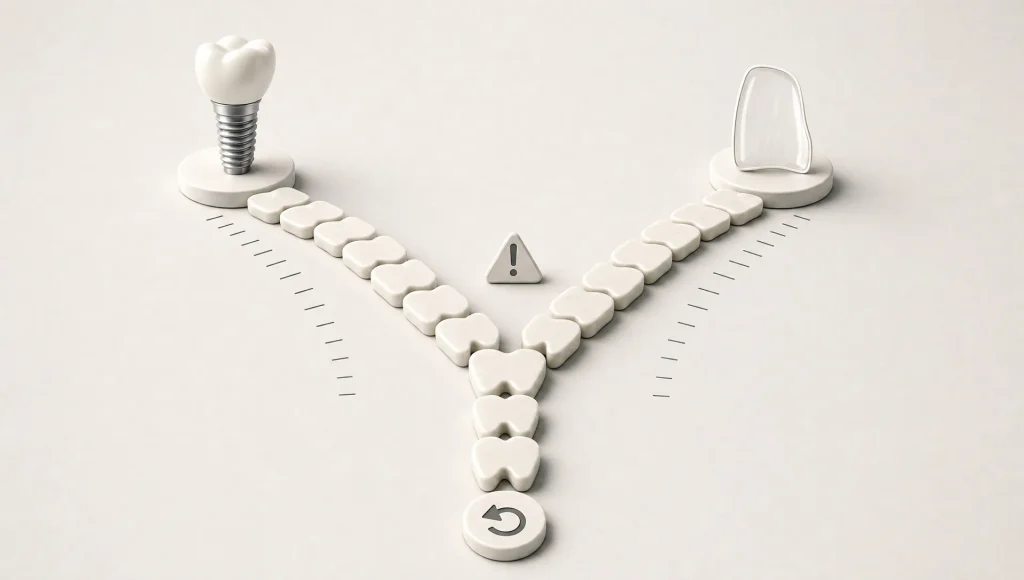
Low-cost dental treatment abroad can look very persuasive. The online photos are polished, the quote appears far lower than a UK treatment plan and the appointment schedule may be wrapped into a short break. It is easy to see why searches for dental implants and veneers Turkey packages have grown, especially when patients feel they have been priced out of private cosmetic dentistry at home.
The question is not whether every overseas dentist is unsafe. Many are highly trained, ethical and capable. The real question is whether complex, irreversible dentistry can be planned, delivered and maintained safely when you are far from the clinician who did the work.
For dental implants and veneers, the biggest risks are not always visible on the day you leave the clinic. They often appear weeks, months or years later, when a veneer debonds, a bite feels wrong, gum tissue recedes or an implant needs attention. At that point, the saving can become much less straightforward.
Why implants and veneers are higher-risk treatments to combine with travel
Some dental treatments are relatively simple to assess. A dental hygiene visit, a small filling or a routine check-up can often be delivered in one appointment with limited future dependency on that dentist. Implants and veneers are different because they involve diagnosis, design, preparation, healing, laboratory work and long-term maintenance.
Dental implants are surgical replacements for missing tooth roots. They depend on bone volume, gum health, bite forces, medical history, smoking status, hygiene and careful placement. In many cases, treatment happens in stages so the implant can integrate with the bone before the final crown, bridge or denture is fitted.
Veneers are cosmetic restorations bonded to the front surface of teeth. They can look excellent when planned conservatively, but they can also involve permanent enamel removal. If too much tooth is prepared, the treatment may become closer to a crown than a veneer, with greater risk of sensitivity, nerve problems and future replacement needs.
That is why speed matters. A treatment plan that promises a dramatic transformation in a few days may be attractive, but the mouth does not always follow a holiday schedule.
| Treatment | What must be assessed carefully | Why distance adds risk |
|---|---|---|
| Dental implants | Bone, gums, bite, medical history, scan results and healing time | Complications may need urgent local review after you return home |
| Veneers | Enamel thickness, tooth position, bite, gum line and smile design | Adjustments, repairs and sensitivity problems may need follow-up |
| Full smile makeover | Oral health, hygiene, existing restorations, aesthetics and function | One rushed plan can affect many teeth at once |
| Implant-supported restorations | Implant brand, components, crown design and maintenance access | UK dentists may not have the right parts or records if problems arise |
The main risks of dental implants abroad
A well-planned implant is not just a screw placed into bone. It is the result of diagnosis, imaging, risk assessment, surgical precision and restoration design. If any stage is rushed, the final tooth may look acceptable at first but become difficult to maintain.
One concern with overseas implant treatment is compressed timing. Some patients are suitable for immediate implant placement or immediate provisional teeth, but not everyone. Gum disease, infection, insufficient bone, heavy grinding and certain medical factors can change the safest sequence. When travel dates are fixed, there may be pressure to complete steps that would otherwise be staged.
Another issue is aftercare. Implant problems can include inflammation around the implant, loose screws, crown fracture, gum recession, discomfort and failure to integrate. None of these should be ignored. If your treating dentist is several hours away by plane, you may end up seeking help locally, but the local dentist may not know which implant system was used or have access to compatible parts.
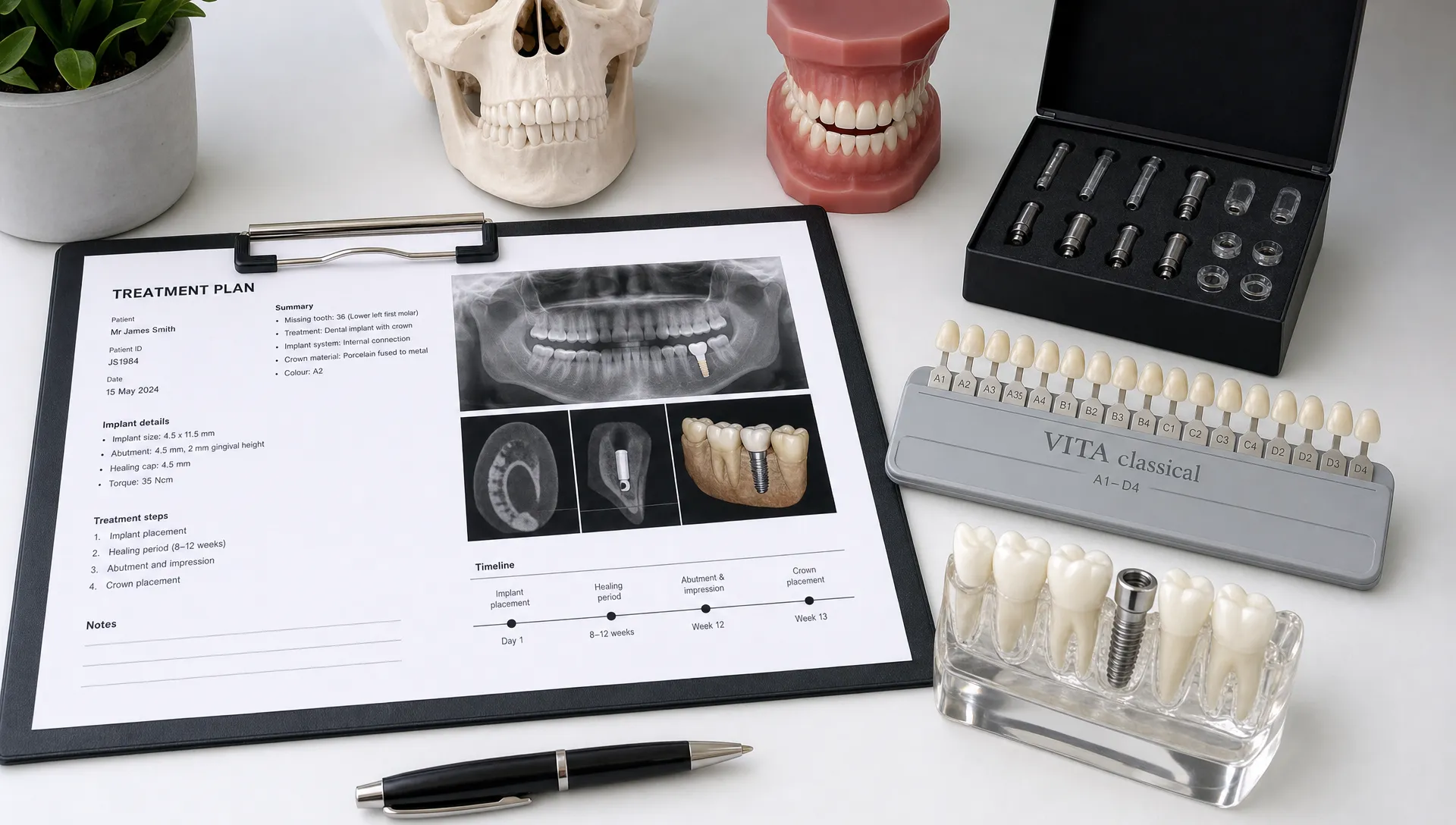
Documentation matters. If you do go ahead abroad, you should leave with written records of the implant brand, size, batch numbers, scans, photographs, crown materials, torque values where relevant and your full treatment notes. Without those details, future maintenance becomes harder.
In the UK, dentists must be registered with the General Dental Council, and dental practices in England are regulated by the Care Quality Commission. If you receive treatment overseas, the complaints process, regulatory standards and legal routes may be very different. That does not mean you have no protection, but you need to understand which protections apply before treatment begins.
If you are comparing implant options, it is worth reading guidance on how to choose the right dental implant clinic before making any decision based on price alone.
The main risks of veneers abroad
Veneers can transform a smile, but they should be planned around the health of each tooth. The safest cosmetic dentistry usually preserves as much natural tooth as possible. In some cases, whitening, Invisalign, composite bonding or a small number of veneers may be more appropriate than placing restorations on every visible tooth.
The risk with some fast smile makeover packages is overtreatment. Patients may ask for veneers but receive crowns because the teeth are heavily reduced. Crowns can be the right treatment when a tooth is already damaged or heavily restored, but they are not the same as minimal-preparation veneers. Once healthy tooth tissue is removed, it cannot be replaced.
Bite assessment is another key point. Veneers must survive chewing forces, grinding habits and the way the upper and lower teeth meet. If the bite is not planned properly, veneers may chip, debond or feel uncomfortable. A beautiful result in a mirror is not enough if the restorations are overloaded every time you chew.
Aesthetic planning also takes time. Shade, translucency, tooth length, gum symmetry and facial proportions all affect the result. Good cosmetic dentistry often includes photographs, mock-ups, trial smiles or detailed discussions with the laboratory. If you feel rushed into a shape or colour you are unsure about, pause.
For patients unsure whether they need porcelain veneers or a more conservative option, our guide to composite bonding or veneers explains the differences in a UK context.
Is the lower cost abroad always a real saving?
The headline price is only one part of the calculation. A UK treatment plan may appear more expensive because it includes consultations, diagnostics, staged appointments, laboratory communication, reviews, adjustments and ongoing accountability. An overseas quote may be lower, but it may not include every future cost.
You should also factor in travel, hotels, time off work, return flights for review appointments, emergency care, replacement temporaries and the cost of correcting work if something goes wrong. Corrective dentistry can be more complex than doing the original treatment carefully because the dentist may have to manage missing records, unknown materials, damaged tooth structure or compromised gum health.
| Cost area | Why it can be missed in an overseas quote |
|---|---|
| Diagnostics | 3D scans, X-rays, periodontal assessment and bite analysis may be priced separately |
| Preparatory treatment | Gum treatment, extractions, bone grafting or hygiene may be needed before implants or veneers |
| Travel and accommodation | Complex treatment may require more than one visit, especially if healing is needed |
| Complication management | Emergency review at home may not be covered by the original provider |
| Replacement work | Veneers, crowns and implant restorations need maintenance and eventual replacement |
| Time off work | Return trips for adjustments or repairs may create indirect costs |
This does not mean the lowest quote is always poor or the highest quote is always best. It means the comparison should be like for like. Ask what is included, what is excluded and what happens if your mouth is not suitable for the treatment promised in the advert.
Red flags before booking implants or veneers abroad
Some warning signs should make you slow down and seek a second opinion. A good clinic will not be offended by careful questions.
- You are offered a full set of veneers or crowns without a detailed examination first.
- The clinic cannot explain the difference between veneers, crowns and composite bonding.
- You are told implants can definitely be completed in one short trip before scans or health checks.
- The implant brand, materials or laboratory details are not clearly provided.
- You feel pressured by limited-time discounts, influencers or package deals.
- There is no clear plan for complications once you are back in the UK.
- The clinic will not provide written records in English.
- The treatment plan ignores gum disease, tooth wear, grinding or existing bite problems.
One or two concerns may not mean a clinic is unsafe, but they do mean you need more information before committing.
Why a UK second opinion is often worth it
A second opinion does not lock you into treatment in the UK. It gives you a clearer understanding of your mouth before you compare options. A dentist can check whether the proposed treatment is clinically suitable, whether less invasive alternatives exist and whether any disease needs treating first.
This is especially important if you have been told you need many veneers, crowns or implants. Sometimes patients are surprised to learn that whitening, alignment, replacement of old restorations or selective bonding could achieve a natural result with less tooth reduction. In other cases, implants may be appropriate, but only after gum health, bone levels and bite stability have been properly assessed.
If you are weighing up Turkey or another popular dental tourism destination, our FAQ on the disadvantages of getting dental implants in Turkey compared with a UK dentist covers the aftercare and regulation issues in more detail.
A second opinion is also useful for budgeting. Instead of comparing a package price with a broad UK estimate, you can compare diagnosis, materials, timescales, maintenance and risk. That is a much fairer way to decide.
Practical questions to ask any clinic
Whether the clinic is in the UK or abroad, ask direct questions before treatment begins. The answers should be specific, written down and easy to understand.
- What is my diagnosis, and what evidence supports it?
- Are my gums healthy enough for veneers or implants?
- How much natural tooth will be removed for each veneer or crown?
- What alternatives would preserve more tooth structure?
- What implant system or ceramic material will be used?
- Who makes the restorations, and can shade or shape be adjusted before final fitting?
- What happens if I have pain, swelling, a loose restoration or a bite problem after returning home?
- Will I receive copies of scans, X-rays, photographs, implant details and treatment notes?
- Is follow-up included, and how many visits are realistically required?
If the answers are vague, or if you are told not to worry about details, take that seriously. Dentistry is healthcare. You deserve a plan that explains benefits, risks and alternatives clearly.
So, are dental implants and veneers abroad worth the risk?
For some patients, treatment abroad may go smoothly. For others, the combination of complex dentistry, short timescales and limited aftercare creates problems that outweigh the initial saving. The risk is highest when many healthy teeth are altered, implants are rushed or the patient returns home without full records and a realistic maintenance plan.
The safest decision is not automatically UK treatment at any price. It is informed treatment with proper diagnosis, conservative planning, clear consent, high-quality materials and accessible aftercare. If you cannot verify those points before you travel, the risk is difficult to justify.
Frequently Asked Questions
Are dental implants abroad always unsafe? No. Many overseas dentists are skilled and ethical. The concern is whether your treatment is properly planned, staged and maintained when you live in another country. Implants need long-term review, and complications are easier to manage when your treating team is accessible.
Are veneers in Turkey the same as UK veneers? They can be, but not always. Some patients who ask for veneers may receive crowns if the teeth are heavily reduced. Always ask how much enamel will be removed, what material will be used and whether more conservative options are suitable.
Can a UK dentist fix problems after overseas dental treatment? Often they can help, especially with pain, infection or damaged restorations. It may be harder if records are missing, the implant system is unknown or significant tooth structure has already been removed. You may also need to pay privately for assessment and corrective work.
Should I get a UK consultation before booking treatment abroad? Yes, especially for implants, veneers or full smile makeover treatment. A consultation can identify gum disease, bite issues, bone problems or less invasive alternatives before you commit to travel.
What records should I ask for if I have treatment abroad? Ask for scans, X-rays, photographs, treatment notes, consent forms, implant brand and size details, material information, laboratory details and aftercare instructions. Keep these safely for future dentists.
Considering implants or veneers? Get advice close to home
If you are thinking about dental implants, veneers or a smile makeover abroad, a consultation in the UK can help you understand your options before you make an irreversible decision.
West Malling Dental & Implant Centre provides private dental care in Kent, including dental implants, Invisalign, cosmetic dentistry, teeth whitening, composite bonding, veneers and crowns. New patient check-ups are available, and the practice also offers same-day emergency care where possible.
Book an appointment with West Malling Dental & Implant Centre to discuss your goals, your oral health and the safest way to improve your smile with confidence.