
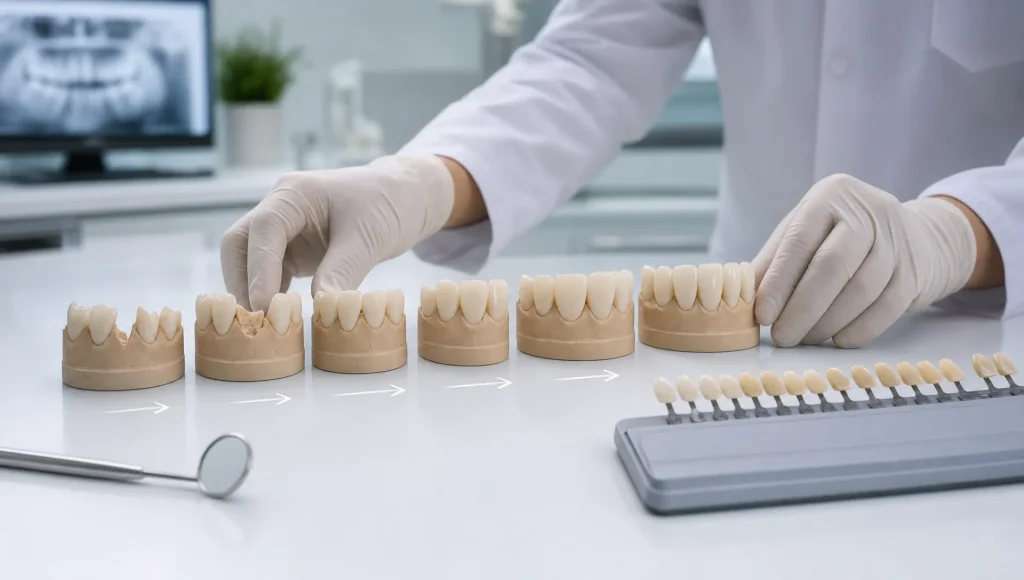
Composite bonding is a popular cosmetic dental treatment because it can make small but noticeable changes to the shape, colour and symmetry of your teeth, often with little or no drilling. If you have a chipped edge, a small gap, uneven front teeth or localised discolouration, it may offer a conservative way to refresh your smile without committing to porcelain veneers or crowns.
It is not the right answer for every smile, though. The best results come from careful planning, healthy teeth and gums, and a clear understanding of the costs, maintenance and limitations before treatment begins.
What is composite bonding?
Composite bonding uses a tooth-coloured resin material that is placed directly onto the tooth, shaped by the dentist, hardened with a dental curing light and then polished. The same type of material is often used for white fillings, but in cosmetic bonding it is layered and sculpted to improve appearance as well as function.
You may hear different terms used, including edge bonding, cosmetic bonding or composite veneers. Edge bonding usually means adding resin to the biting edges of front teeth to repair chips or create a more even outline. Composite veneers involve covering more of the visible front surface of the tooth with composite resin.
The key difference from porcelain veneers is that composite is built directly on the tooth in the surgery. Porcelain veneers are usually made outside the mouth, commonly in a dental laboratory, and then bonded to the teeth. Porcelain can be highly durable and stain resistant, but it normally costs more and may involve more tooth preparation.
The main benefits of composite bonding
One reason composite bonding is so widely requested is that it can improve a smile in a subtle, natural-looking way. Many patients do not want a dramatic transformation. They simply want to stop noticing a chipped corner, an uneven edge or a small space every time they smile.
The main benefits include:
- Minimal tooth preparation: In many cosmetic cases, little or no healthy enamel needs to be removed. This makes bonding one of the more conservative smile enhancement options.
- Fast results: Depending on how many teeth are being treated, bonding can often be completed in one appointment after the planning stage.
- Natural appearance: Modern composite materials come in a range of shades and translucencies, allowing the dentist to blend the resin with your existing teeth.
- Repairability: If a bonded area chips or wears, it can often be repaired or polished rather than replacing the whole restoration.
- Lower cost than porcelain options: Composite usually costs less per tooth than porcelain veneers or crowns, although it may need more maintenance over time.
Composite bonding can also be a confidence-boosting treatment. Small changes to the teeth people notice most, especially the upper front teeth, can make smiling, speaking and being photographed feel easier.
What problems can composite bonding fix?
Composite bonding is best suited to mild to moderate cosmetic concerns. It can be a good option for chipped teeth, worn edges, slightly uneven tooth shapes, small gaps, minor localised discolouration and teeth that look slightly narrow or short compared with neighbouring teeth.
It is also useful after orthodontic treatment, where teeth may be straighter but still have small edge irregularities or uneven proportions. In those cases, bonding can be the finishing touch rather than the main treatment.
However, bonding has limits. If a tooth is heavily filled, cracked, badly worn or structurally weak, a crown or veneer may provide better strength. If gaps or crowding are more than minor, tooth movement may create a better result than simply adding material. In that situation, Invisalign treatment may be worth discussing before bonding.
Your dentist will also want to check for gum inflammation, decay, active tooth wear or bite problems first. Cosmetic treatment should be built on healthy foundations, so a proper assessment matters. If you are comparing the cost of cosmetic planning with routine care, this guide to private dental check-up costs explains what is usually included in an examination.
How much does composite bonding cost in the UK?
Composite bonding costs vary because the treatment is highly individual. A tiny chip repair on one tooth is very different from reshaping six or eight front teeth as part of a smile makeover. Most private dentists quote per tooth, although more complex cases may be planned as a personalised treatment package.
The figures below are a general UK guide only. They are not a fixed fee list, and your dentist should provide a written estimate after examining your teeth.
| Treatment element | Typical private UK guide | What affects the cost |
|---|---|---|
| New patient or cosmetic assessment | About £50 to £150, with West Malling Dental advertising £65 for new patients including an X-ray | Examination time, X-rays, photographs and treatment planning |
| Simple chip repair | Often about £150 to £350 per tooth | Size of chip, position of tooth and shade matching |
| Cosmetic bonding on a front tooth | Often about £200 to £500 per tooth | Shape changes, layering, polishing time and complexity |
| Multi-tooth smile enhancement | Usually quoted as a bespoke plan | Number of teeth, design time, bite considerations and finishing appointments |
| Maintenance polish or small repair | Quoted individually | Staining, wear, chipping and whether new composite is required |
When comparing fees, look beyond the headline price. A lower quote may not include assessment, photographs, mock-ups, bite checks, polishing appointments or future repair costs. For other household projects, it is normal to compare estimates through cost resources such as local tradespeople's rates, but dental treatment needs a clinical assessment because the safest and most aesthetic option depends on your mouth, not just the task.
A good quote should explain what is included, what is optional, how many teeth are being treated and what maintenance may be needed later. If whitening, hygiene treatment, gum care or aligners are recommended first, those costs should be discussed before you make a decision.
What to expect before composite bonding
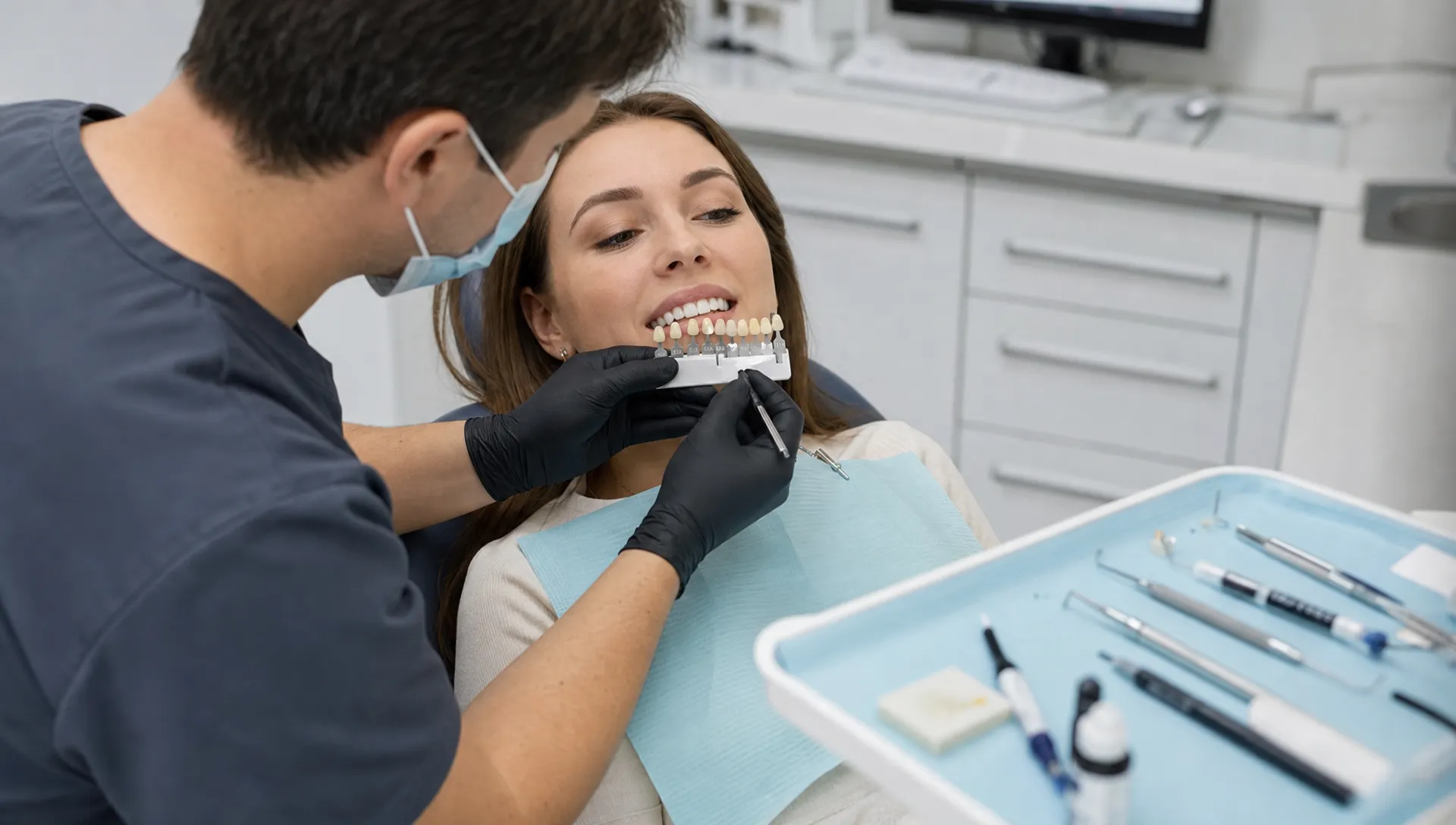
The first stage is a consultation and dental health check. Your dentist will look at the teeth you want to improve, check your bite, assess your gums and discuss what you do and do not like about your smile. Photographs may be taken to help with planning and communication.
If you want whiter teeth overall, whitening is usually done before bonding. Composite resin does not whiten in the same way as natural enamel, so if you whiten after bonding, the natural teeth may become lighter while the bonded areas stay the same colour. This can make the bonding stand out.
Your dentist may also recommend a hygiene appointment before cosmetic work. Plaque, staining and inflamed gums can affect shade selection and the final polish. If you want to understand what is involved, this overview of what a dental hygienist visit typically includes is a useful place to start.
In some cases, a trial smile or mock-up may be used. This helps you preview the proposed shape before committing to treatment. It is especially helpful when several front teeth are being bonded, because small differences in edge length, symmetry and tooth proportions can change the overall look.
What happens during the bonding appointment?
For many patients, composite bonding is straightforward and comfortable. Local anaesthetic is often not needed if the treatment is purely cosmetic and there is no decay or deep drilling. If an old filling needs replacement or a tooth is sensitive, anaesthetic may be recommended.
The dentist will clean and isolate the tooth, then lightly condition the enamel so the bonding material can attach securely. A bonding agent is applied, followed by the composite resin. The resin is shaped in layers, hardened with a blue curing light and refined until the size, curve and surface texture look right.
The final polish is important. A smooth, well-polished surface looks more natural and is easier to keep clean. Your dentist will also check your bite to make sure the bonded areas are not taking excessive force when you close or move your jaw.
You can usually return to normal daily activities straight away. Your teeth may feel slightly different at first, especially if the edges have been lengthened or reshaped. Most people adapt quickly, but a review appointment may be arranged for final refinements once you have lived with the new shape for a short time.
How long does composite bonding last?
Composite bonding often lasts several years, but longevity varies from person to person. The result depends on your bite, diet, oral hygiene, whether you grind your teeth, how many teeth were treated and how well the bonding is maintained.
Composite is not as stain resistant as porcelain. Coffee, tea, red wine, curries and smoking can gradually discolour the surface. It can also chip if you bite hard objects, chew pens, open packets with your teeth or have a heavy grinding habit.
The positive side is that bonding is often repairable. A chip may be smoothed, polished or topped up with fresh composite. That said, repeated repairs can become less predictable over time, so prevention is better than relying on fixes.
| To help bonding last | Why it matters |
|---|---|
| Brush twice daily with fluoride toothpaste | Helps protect the tooth and the edges of the bonding |
| Clean between teeth daily | Reduces plaque build-up around margins and gums |
| Avoid biting nails, pens or packaging | Reduces the risk of chips and fractures |
| Limit frequent staining drinks | Helps preserve the shade and surface finish |
| See a hygienist and dentist regularly | Allows polishing, bite checks and early repair if needed |
| Wear a night guard if advised | Protects bonding from grinding or clenching forces |
Composite bonding vs veneers, crowns, whitening and Invisalign
Composite bonding sits in the middle of several cosmetic options. It can change shape and repair small defects, but it cannot move teeth, bleach natural enamel or strengthen a badly broken tooth in the way other treatments can.
| Treatment | Best for | Main advantage | Main limitation |
|---|---|---|---|
| Composite bonding | Chips, small gaps, uneven edges and minor shape changes | Conservative, quick and repairable | Can stain or chip and may need maintenance |
| Teeth whitening | General tooth colour improvement | Non-invasive and can brighten the whole smile | Does not change tooth shape or fix chips |
| Invisalign | Crowding, spacing and bite-related alignment concerns | Moves teeth rather than adding material | Takes longer than bonding and requires compliance |
| Porcelain veneers | More durable colour and shape changes | Strong, aesthetic and stain resistant | Higher cost and usually more tooth preparation |
| Crowns | Teeth that are heavily filled, cracked or weakened | Provides coverage and strength | More invasive than bonding for healthy teeth |
The best plan may combine treatments. For example, whitening can improve the overall colour first, then bonding can repair chipped edges. Orthodontics can align teeth first, then bonding can refine proportions. A consultation helps avoid using bonding to camouflage a problem that would be better solved another way.
Is composite bonding worth it?
Composite bonding can be excellent value when it is used for the right reason. It is particularly worthwhile if your teeth are healthy, your cosmetic concerns are localised and you are comfortable with periodic maintenance.
It may be less suitable if you expect a permanent, stain-proof result with no future repairs. It is also not ideal if your teeth are under heavy bite pressure or if you have untreated grinding. In those situations, your dentist may still offer bonding, but only with a protective plan such as bite adjustment, a night guard or an alternative restoration.
Before going ahead, ask your dentist:
- Which teeth need bonding and why?
- Will whitening, hygiene treatment or Invisalign improve the outcome first?
- How long should I expect the bonding to last in my case?
- What happens if it chips or stains?
- What aftercare costs should I plan for?
Clear answers to these questions will help you make a confident decision and avoid surprises later.
Frequently Asked Questions
Is composite bonding painful? In most cosmetic cases, composite bonding is not painful because little or no drilling is needed. Local anaesthetic may be used if decay, sensitivity or replacement fillings are involved.
Can composite bonding close gaps? Yes, it can close small gaps, especially between front teeth. Larger spaces or gaps caused by tooth position may be better treated with aligners first.
Does composite bonding damage teeth? When carefully planned and placed, bonding is usually conservative because it often requires minimal enamel removal. Poor planning, excessive coverage or repeated replacement can be less conservative, so assessment matters.
Can composite bonding stain? Yes. Composite is more prone to staining than porcelain, especially with frequent coffee, tea, red wine, curry or smoking. Regular polishing and good home care help maintain the finish.
How many teeth should I bond? It depends on your smile line and the problem you want to correct. One chipped tooth may need one repair, while smile balance may involve several upper front teeth. Your dentist can advise after examining your teeth.
Can I eat normally after composite bonding? Usually, yes. It is sensible to avoid biting very hard foods directly with newly bonded front teeth and to avoid habits such as nail biting or chewing pens.
Considering composite bonding in West Malling or Kings Hill?
West Malling Dental & Implant Centre provides private family, preventive and cosmetic dentistry in a relaxed setting, including composite bonding, teeth whitening, Invisalign and hygienist care. If you are unsure whether bonding is right for you, a new patient check-up can assess your oral health, discuss your goals and outline suitable options.
To take the next step, contact West Malling Dental & Implant Centre and ask about a cosmetic consultation or the current new patient offer.