Urgent dental problems rarely arrive at a convenient time. A sudden toothache can keep you awake, a crown can come loose during lunch, or a child can chip a tooth at the weekend. In those moments, the priority is simple: you need safe advice, prompt assessment and, where clinically appropriate, a same-day dentist appointment.
Same-day dental care is not only about speed. It is about reducing pain, checking for infection or injury, protecting the tooth from further damage and deciding whether you need immediate treatment or a planned follow-up. Knowing when to call, what to expect and what you can safely do while you wait can make the whole situation feel much less stressful.
What counts as an urgent dental problem?
A dental problem is urgent when delaying care could worsen pain, spread infection, increase the risk of losing a tooth or make treatment more complicated. Not every niggle needs emergency attention, but severe or persistent symptoms should be taken seriously.
The NHS advice on toothache recommends seeking dental help if tooth pain lasts more than 2 days, painkillers do not help, or you have signs such as swelling, fever, pain when biting, red gums or an unpleasant taste in the mouth. If swelling affects your eye or neck, or you are having difficulty breathing or swallowing, you should seek urgent medical help through A&E or 999 rather than waiting for a dental appointment.
| Problem or symptom | Why it may be urgent | Best next step |
|---|---|---|
| Severe toothache | May indicate deep decay, nerve inflammation or infection | Call for an urgent dental assessment |
| Facial or gum swelling | Can be a sign of an abscess or spreading infection | Contact a dentist promptly, or seek medical help if breathing or swallowing is affected |
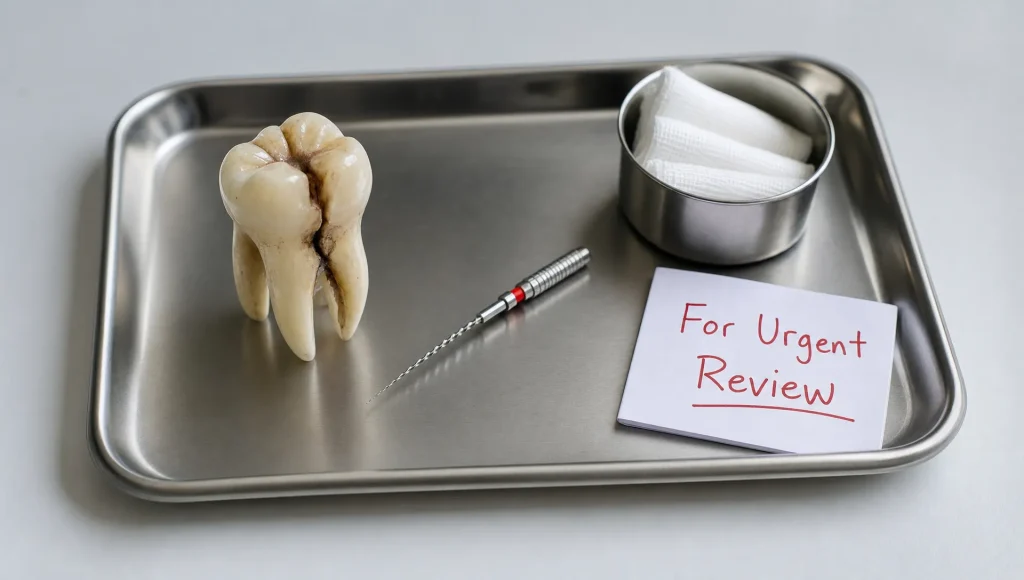
| Broken or cracked tooth | The tooth may be vulnerable to further fracture or nerve exposure | Arrange a same-day dentist appointment if painful or sharp |
| Knocked-out adult tooth | Fast action can improve the chance of saving the tooth | Call a dentist immediately and follow tooth-saving advice |
| Lost crown or filling | The exposed tooth may be sensitive and at risk of decay or fracture | Book urgent care, especially if painful |
| Bleeding after trauma or extraction | Persistent bleeding may need professional attention | Apply pressure and call for advice |
| Wisdom tooth pain with swelling | May involve infection around the gum | Seek urgent assessment if pain, swelling or difficulty opening the mouth develops |
Same-day dentist appointment or routine appointment?
If you have searched online for a 'sameday dentist', what you likely need is triage first. A dental team will usually ask about your symptoms, how long they have been present, whether there has been trauma, whether you have swelling, and whether you have any medical conditions or medicines that could affect treatment.
A routine appointment is best for check-ups, mild sensitivity, cosmetic questions, ongoing treatment planning and preventive care. A same-day appointment is more appropriate when pain, swelling, injury or a broken restoration needs timely attention. The aim may be to get you out of pain and stabilise the problem first, then arrange a longer appointment for definitive treatment if needed.
This distinction matters because urgent care is often focused. Your dentist may not complete every possible treatment in one visit, especially if infection, complex damage or specialist planning is involved. However, a prompt assessment can prevent guesswork and give you a clear next step.
What happens during a same-day dental appointment?
A good urgent dental appointment begins before you sit in the chair. When you contact the practice, be clear about your symptoms. Mention swelling, trauma, bleeding, fever, difficulty swallowing, pregnancy, medical conditions, allergies and any medication you take. This helps the team decide how quickly you need to be seen and whether you may need additional medical support.
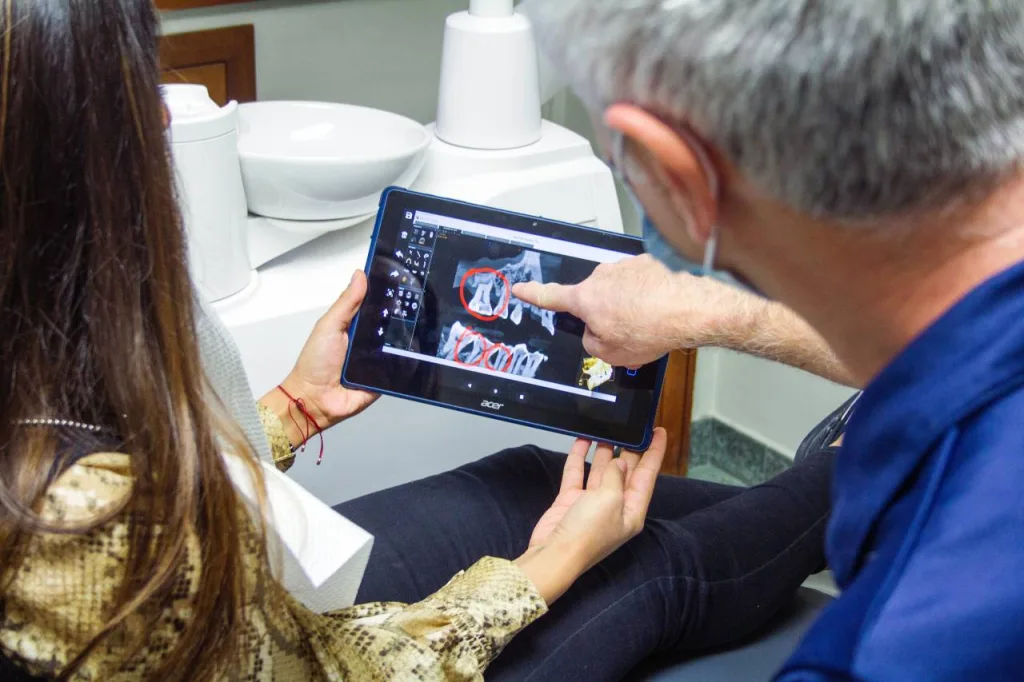
At the appointment, the dentist will usually examine the area, check the surrounding gums and soft tissues, and may take an X-ray if it is clinically needed. They may tap or test the tooth, assess your bite, look for cracks, check for infection and discuss pain levels. This is different from a full routine examination, although it may overlap in some areas. If you are new to private dental care and want to understand a more comprehensive non-urgent visit, this guide explains what happens at your first dentist check-up.
Treatment depends on the diagnosis. For example, a dentist may smooth a sharp edge, place a temporary dressing, re-cement a crown, drain an infection where appropriate, start root canal treatment, extract a tooth that cannot be saved, or prescribe medication if it is clinically necessary. Antibiotics are not always the answer for dental pain, and they do not usually solve the underlying cause on their own. The most important step is finding out what is driving the problem.
The principle is familiar across urgent professional services: a reputable provider should investigate the cause, explain the options and avoid patching over a problem without diagnosis. That is true whether you are seeing a dentist for sudden tooth pain or using specialist plumbing and drain cleaning services to deal with a serious blockage at home.
What you can do safely while waiting to be seen
While you are waiting for your same-day dentist appointment, simple measures may help you manage discomfort, but they should not replace professional care. Avoid putting aspirin directly on your gum or tooth, as this can irritate the tissues. Do not attempt to glue a crown, pull a tooth or drain an abscess yourself.
You can usually take over-the-counter pain relief according to the packet instructions, provided it is safe for you medically. If you are unsure because of pregnancy, asthma, stomach ulcers, kidney disease, blood-thinning medication or other health concerns, ask a pharmacist, dentist or GP for advice.
For swelling after an injury, a cold compress on the outside of the face may help. For a lost filling or crown, keep the restoration if you still have it and bring it with you. Try to avoid chewing on the affected side, and choose softer foods until you have been assessed.
If an adult tooth has been knocked out, time is critical. The NHS guidance on a knocked-out tooth advises handling the tooth by the crown, not the root, and seeking urgent dental help immediately. If you cannot put it back in place, storing it in milk or saliva while you travel to the dentist may help preserve it. Baby teeth should not be replanted, but the child should still be assessed after dental trauma.
Why urgent dental problems should not be ignored
Dental pain can sometimes ease temporarily, but that does not always mean the problem has gone away. A tooth nerve may become less painful after it has died, while infection can continue to develop around the root. A cracked tooth may feel manageable until another bite causes a larger fracture. A missing filling may seem minor until decay progresses beneath the surface.
Prompt dental care can also reduce anxiety. Pain is tiring, and uncertainty often makes it worse. Once you know what is wrong, what your options are and what the likely costs and stages of treatment may be, the situation usually feels more manageable.
Stress can also play a part in urgent dental problems. Clenching and grinding may contribute to cracked teeth, jaw pain, headaches and worn restorations. If you suspect stress is affecting your mouth, it may be useful to read more about stress and dental health and discuss protective options with your dentist.
How to reduce the risk of repeat emergencies
Not every urgent dental problem can be prevented, especially accidents and trauma. However, many emergencies are linked to issues that develop gradually, such as decay, gum disease, old restorations, bite problems or untreated cracks.
Regular dental examinations help identify problems before they become painful. Hygienist visits support gum health and can help you keep areas clean that are difficult to reach at home. If you have crowns, veneers, implants, bridges, Invisalign retainers or a history of dental abscesses, ongoing maintenance is especially important.
Choosing the right practice also matters. If you are comparing local options, consider whether the dentist provides preventive care, clear communication, transparent treatment planning and access to emergency advice when something goes wrong. This guide on how to choose a private dentist in Kent explains what to look for beyond location alone.
When to call West Malling Dental & Implant Centre
If you are in West Malling, Kings Hill or the surrounding Kent area and you have dental pain, swelling, a broken tooth, a lost crown or another urgent dental concern, contact West Malling Dental & Implant Centre as early as possible. Same-day emergency care is available, and the team can advise you on the most appropriate next step based on your symptoms.
The practice provides private family, preventive, cosmetic and emergency dental care in a relaxed setting. Alongside urgent appointments, patients can access treatments such as hygienist care with Airflow, teeth whitening, composite bonding, crowns, veneers, dental implants and Invisalign clear braces where suitable.
For urgent problems, the best first step is to call rather than wait and hope the pain settles. The sooner a dentist can assess the cause, the sooner you can move from worry to a clear plan.
Frequently Asked Questions
Can a new patient get a same-day dentist appointment? In many cases, new patients can be seen for urgent dental problems, depending on appointment availability and clinical urgency. Contact the practice as early as possible and explain your symptoms clearly.
Is toothache always a dental emergency? Mild, short-lived sensitivity is not always an emergency, but severe pain, pain lasting more than 2 days, swelling, fever, pain when biting or a bad taste in the mouth should be assessed promptly.
Will I definitely receive treatment on the same day? The dentist will aim to diagnose the problem and relieve pain where clinically appropriate. Some treatments can be completed immediately, while others may need a temporary stabilising measure followed by a planned appointment.
Do I need antibiotics for a dental abscess? Not always. Dental infections often need treatment of the tooth or gum source. Antibiotics may be used in specific circumstances, but they are not a substitute for dental treatment when the cause remains.
What should I do if my face is swollen? Call a dentist urgently if you have dental swelling. If swelling affects your eye or neck, or you have difficulty breathing or swallowing, seek urgent medical help through A&E or 999.
What if I am nervous about urgent dental treatment? Tell the dental team when you call and again when you arrive. A calm explanation, step-by-step approach and agreed signals during treatment can help anxious patients feel more in control.
Need urgent dental help in West Malling or Kings Hill?
Dental pain and dental injuries are easier to manage when you have a clear diagnosis and prompt care. If you think you need a same-day dentist appointment, contact West Malling Dental & Implant Centre for advice and availability. The team will help you understand what to do next and support you in getting your oral health back on track.