

If you are thinking about Invisalign, a gum check may feel like a delay before the exciting part, but it is one of the most important steps. Your dentist will need to check that your gums, bone and teeth are healthy enough to move safely before clear aligners are prescribed.
Invisalign works by applying carefully planned pressure to move teeth over time using multiple retainers. That movement depends on healthy gum tissue and solid bone support. If gum disease, inflammation or untreated tartar is present, orthodontic treatment can become less predictable and may make existing problems worse.
Why a dental health centre checks gums before Invisalign
Your gums are the foundation for your teeth. Before any orthodontic treatment, your dentist needs to know whether the tissues around each tooth are stable, whether there are signs of active gum disease and whether any teeth have reduced support.
This is not just a box-ticking exercise. Gum disease can cause bleeding, bad breath, gum recession, pocketing around the teeth and gradual bone loss. The NHS explains that gum disease can progress if it is not treated, sometimes leading to loose teeth. Since Invisalign moves teeth through the bone, starting treatment with gum inflammation could put unnecessary stress on already vulnerable areas.
At West Malling Dental & Implant Centre, gum health is assessed as part of planning for safe cosmetic orthodontics. The aim is simple: help you straighten your smile without compromising long-term oral health.
What your dentist looks for before clear aligners
A gum health check before Invisalign is usually gentle and straightforward. Your dentist or hygienist may measure the small spaces between your teeth and gums, check for bleeding, look for plaque and tartar build-up, assess gum recession and review X-rays where needed.
| Gum health check | Why it matters before Invisalign |
|---|---|
| Bleeding on probing | May suggest inflammation or gum disease |
| Gum pocket measurements | Helps identify areas that need treatment first |
| Plaque and tartar levels | Aligners can trap plaque if cleaning is poor |
| Gum recession | Important for planning safe tooth movement |
| Tooth mobility | May indicate reduced bone support |
| X-rays | Help assess roots, bone levels and hidden issues |
A modern dental health centre will also consider your bite, oral hygiene routine and any previous dental work. Crowns, veneers, implants, bonding and heavily filled teeth do not automatically rule out Invisalign, but they do need careful planning.
How gum disease can affect Invisalign treatment
Clear aligners are removable, comfortable for many patients and discreet in everyday life, but they still require excellent oral hygiene. You normally wear them for most of the day and night, removing them to eat, drink anything other than water and clean your teeth.
If plaque is left around the gumline before trays are worn, aligners can create an environment where bacteria stay close to the teeth for longer. This can increase the risk of bleeding gums, decay and bad breath. It can also make the aligners less pleasant to wear.
When gum disease is present, teeth may not move in the way your digital plan predicts. Some teeth may have less bone support, which can affect how much movement is safe. Treating gum problems first gives your dentist a healthier starting point and helps protect your final result.
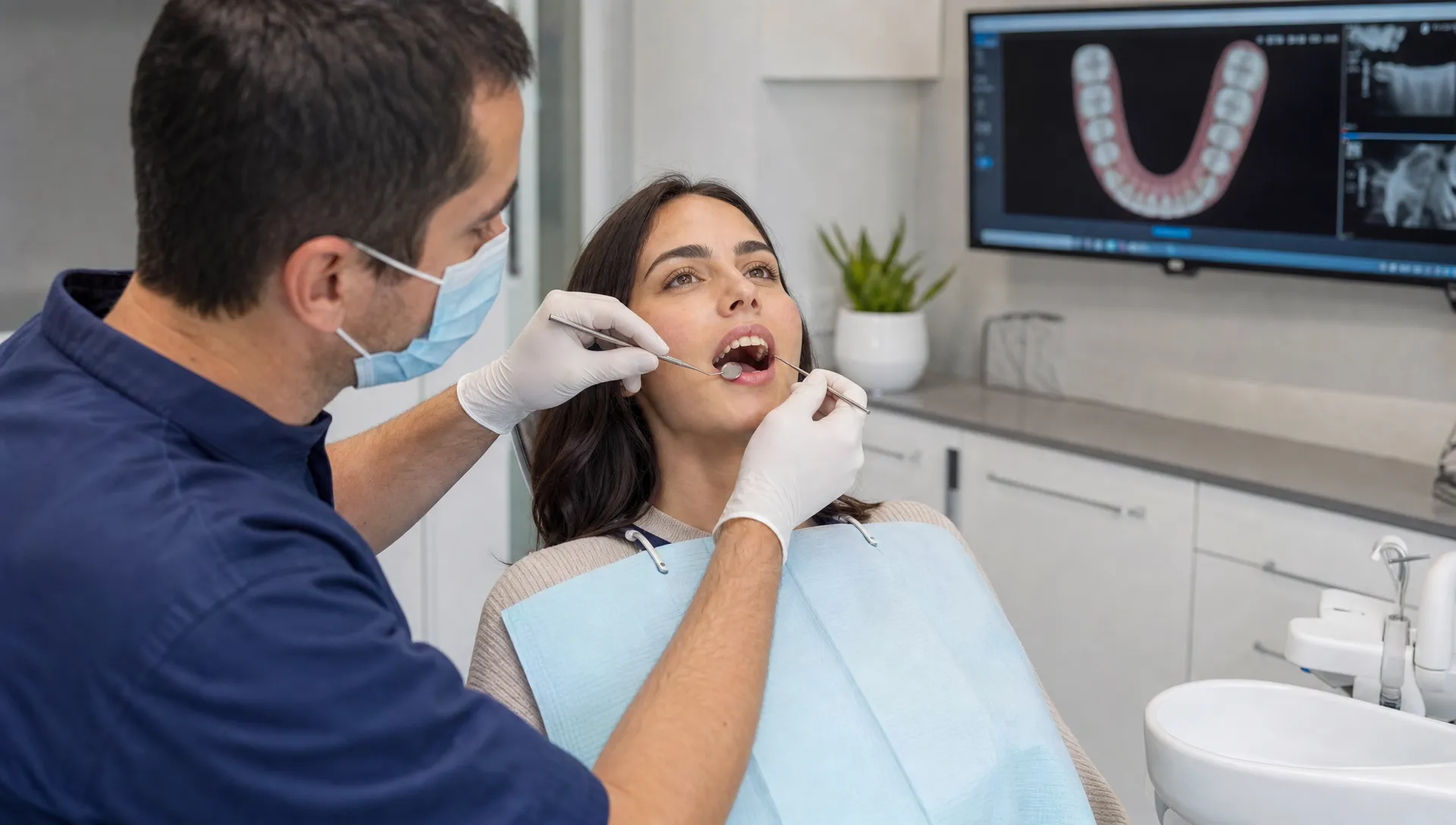
What happens if your gums are not ready?
If your dentist finds gum inflammation, it does not always mean Invisalign is off the table. It often means treatment needs to be staged properly. For many patients, the first step is a hygienist appointment to remove plaque and tartar, improve gum health and refresh home care techniques.
West Malling Dental & Implant Centre offers hygienist care, including Airflow, which can help remove staining and soft deposits as part of a professional clean. You can learn more about the value of regular hygienist care in the practice’s guide to how a hygienist dentist helps protect your smile.
Your dentist may then reassess your gums after a healing period. Once bleeding is reduced, plaque control has improved and any deeper gum concerns are stable, Invisalign planning can usually continue with more confidence.
Preparing your gums for Invisalign
Good preparation is a shared effort between you and your dental team. The stronger your oral health at the start, the easier it is to keep your teeth and gums healthy during aligner treatment.
Before Invisalign, your dentist may recommend:
- A full dental examination and gum assessment
- X-rays if needed to review roots and bone levels
- A professional clean with the hygienist
- Treatment for decay or broken fillings before aligners begin
- A home routine using fluoride toothpaste and interdental brushes or floss
- Regular review appointments during treatment
This is where choosing an experienced dental health centre can make a real difference. At West Malling Dental & Implant Centre, patients can access routine care, hygienist appointments, cosmetic dentistry, emergency support and Invisalign planning in one private practice in Kent.
Why West Malling Dental plans Invisalign around your oral health
Invisalign is a cosmetic treatment, but safe orthodontics is never just cosmetic. The best results come from understanding the whole mouth: teeth, gums, bite, jaw joints, fillings and smile goals.
At West Malling Dental & Implant Centre, your Invisalign journey can begin with a new patient check-up. The practice currently offers a £65 new patient appointment, including an X-ray, which is a practical first step if you want to understand whether your gums and teeth are ready for clear aligners.
For patients who are suitable, Invisalign can be used to improve crowding, spacing and some bite concerns. Currently we offer the following promotions this autumn for Invisalign. Book
- Free Consultation to discuss in person*
- £1000 off treatment
- Free Teeth Whitening valued at £295
- PLUS up to 30% OFF composite bonding and veneers
Frequently Asked Questions
Can I have Invisalign if I have gum disease? Sometimes, but active gum disease usually needs treatment first. Your dentist will want your gums to be stable before moving teeth with clear aligners.
Why do my gums bleed during an Invisalign assessment? Bleeding can be a sign of gum inflammation, plaque build-up or gum disease. Your dentist or hygienist can identify the cause and recommend the right next step.
Will I need a hygienist appointment before Invisalign? Many patients benefit from a hygienist appointment before starting aligners. A professional clean gives you a healthier foundation and helps you maintain better hygiene during treatment.
Does Invisalign damage gums? Invisalign should not damage healthy gums when it is planned correctly and you keep your teeth clean. Problems are more likely if gum disease, plaque or poor oral hygiene are present before treatment begins.
How do I book an Invisalign consultation in West Malling? Contact West Malling Dental & Implant Centre to arrange an appointment. The team can assess your teeth and gums, discuss your goals and explain whether Invisalign is suitable for you.
Take the healthy route to a straighter smile
A confident smile starts with healthy gums. If you are considering Invisalign in West Malling, Kings Hill or the surrounding Kent area, West Malling Dental & Implant Centre can assess your oral health first, explain your options clearly and help you plan treatment at the right time.
Book your visit with a dentist that puts long-term health before quick cosmetic decisions. Your £65 new patient check-up, including an X-ray, is a sensible place to start your Invisalign conversation with the West Malling Dental team.