
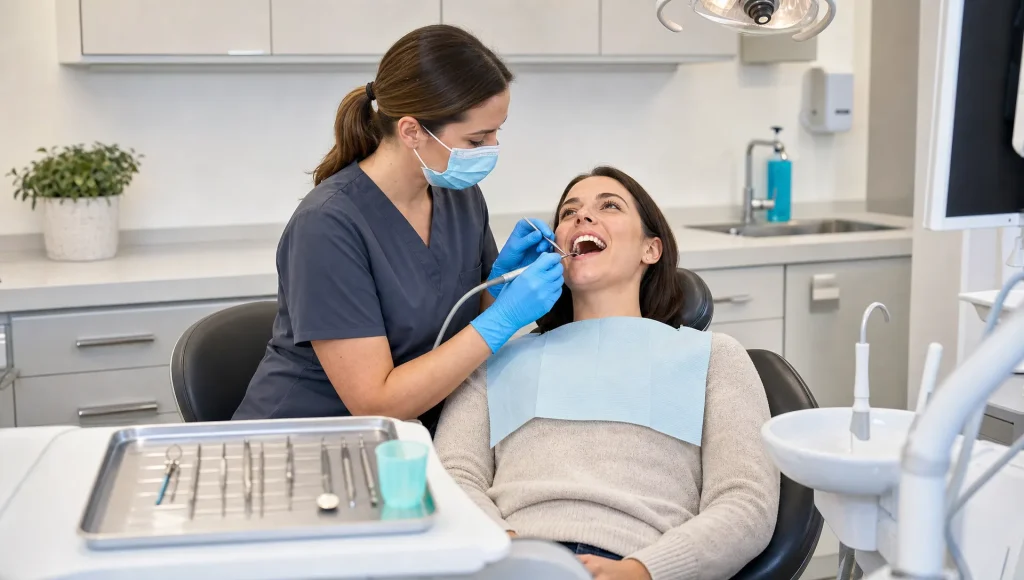
A healthy smile is not only about white teeth. It depends on clean tooth surfaces, healthy gums, fresh breath and small problems being spotted before they become painful or expensive. That is where regular hygienist care makes a real difference.
Many people search for a hygienist dentist when they want a professional clean, help with bleeding gums or advice on keeping their mouth healthier between dental check-ups. Strictly speaking, a dental hygienist and a dentist have different roles, but they work closely together. The dentist diagnoses, checks the whole mouth and plans treatment. The hygienist focuses on preventing disease, cleaning areas you cannot manage at home and coaching you on daily care.
For patients in West Malling, Kings Hill and the surrounding Kent area, hygienist appointments can be one of the simplest ways to protect your smile for the long term.
What does a dental hygienist do?
A dental hygienist is trained to support gum health and preventive dental care. In the UK, hygienists can provide care within their professional scope, and the General Dental Council’s direct access guidance explains how dental professionals work safely with patients depending on their training and role.
In practice, a hygienist appointment may include checking gum health, removing plaque and tartar, polishing teeth, discussing bleeding or sensitivity and giving personalised home care advice. If the hygienist sees signs that need a dentist’s assessment, such as decay, loose teeth, infection or changes in the soft tissues, they can refer you back to the dentist promptly.
This teamwork matters because gum disease and tooth decay often build slowly. You may not feel pain at the early stages, yet damage can already be developing under the gumline or between teeth.
Why professional cleaning protects more than tooth colour
Brushing twice a day is essential, but even careful brushing can miss some areas. Plaque is a soft, sticky film of bacteria that collects around the gumline and between teeth. If it is not removed thoroughly, it can harden into tartar, also called calculus. Once tartar forms, it cannot be brushed away at home.
A hygienist uses professional instruments to remove these deposits safely. This reduces the bacterial build-up that irritates the gums and contributes to gum disease. It can also make teeth feel smoother, which helps slow new plaque accumulation when combined with good home care.
The NHS guidance on gum disease lists bleeding gums, swollen gums, bad breath and loose teeth among the symptoms to take seriously. Regular hygienist visits help you act before early gum irritation progresses into more advanced periodontal problems.
Professional cleaning can also improve the appearance of your smile. Tea, coffee, red wine and tobacco can leave surface staining over time. Hygienist polishing, including Airflow treatment where appropriate, can lift many external stains and leave teeth looking cleaner without changing the natural shade of the tooth.
If you are already concerned about bleeding, swelling or recession, West Malling Dental has a separate guide on how to prevent gum disease that explains the stages and warning signs in more detail.
What happens during a hygienist appointment?
A good hygienist appointment is not just a scale and polish. It is a prevention visit tailored to your mouth, your habits and your risk factors.
Your hygienist may ask about brushing, interdental cleaning, smoking, diet, medical history and any symptoms such as bleeding, bad breath or sensitivity. They may check plaque levels and look at how your gums respond when gently examined. If you have gum pockets, implants, crowns, bridges or orthodontic aligners, your appointment may be adapted around those needs.
| Part of the visit | Why it matters | What it helps prevent |
|---|---|---|
| Gum health check | Identifies bleeding, inflammation or pocketing | Gum disease progression |
| Plaque and tartar removal | Cleans areas missed by brushing and flossing | Gum irritation and decay risk |
| Polishing or Airflow | Removes surface stains and biofilm | Staining and plaque retention |
| Home care coaching | Improves your daily technique | Recurring plaque build-up |
| Referral to the dentist if needed | Flags issues outside the hygienist’s scope | Delayed diagnosis or treatment |
This personalised advice is often the most valuable part of the appointment. A hygienist can show you exactly where plaque is building up, then recommend the right interdental brushes, flossing technique or toothbrush angle for your mouth.
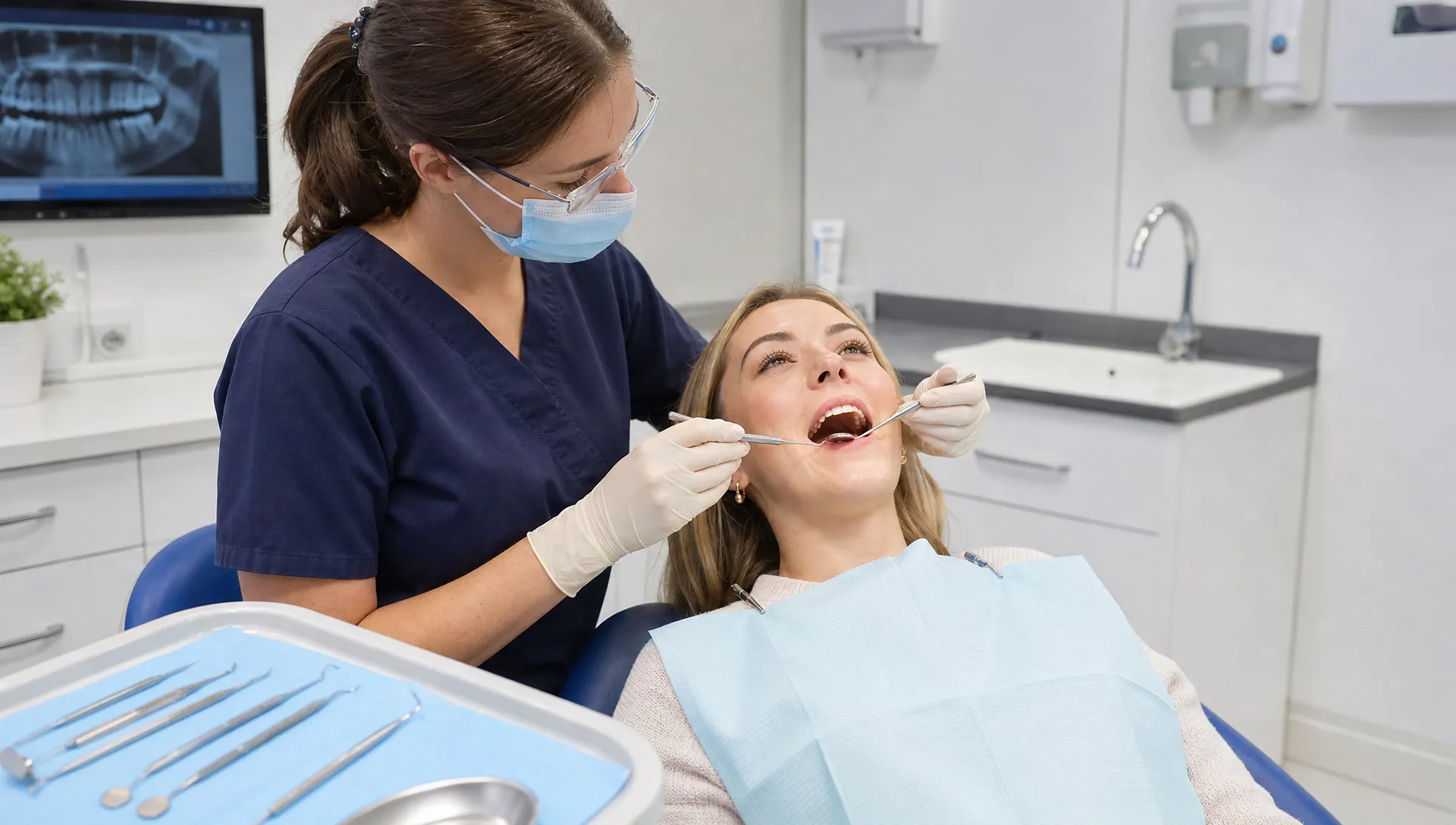
How hygienist care supports cosmetic and restorative treatment
If you are considering whitening, composite bonding, veneers, crowns, implants or Invisalign, hygienist care helps create a healthier foundation. Cosmetic dentistry looks better and lasts longer when gums are stable and teeth are clean.
For example, whitening is usually more effective when surface stains and plaque have been removed first. Composite bonding and veneers also benefit from healthy gums, as inflammation or bleeding can make treatment less predictable. Invisalign patients need especially consistent cleaning because aligners sit closely over the teeth and can trap plaque if oral hygiene is poor.
Dental implants also need careful maintenance. An implant cannot get tooth decay, but the gum and bone around it can become inflamed if plaque is not controlled. Hygienist visits help patients clean around implants, crowns and bridges in a way that protects the investment they have made in their smile.
Who benefits most from regular hygienist visits?
Almost everyone can benefit, but some patients gain particular value from routine hygienist care. If your gums bleed when brushing, you smoke, you have diabetes, you wear braces or aligners, or you have a history of gum disease, you may need more frequent support.
Hygienist appointments are also helpful for families. Children and teenagers can learn better brushing habits early, especially around fixed braces. Adults who have not seen a hygienist for a while can reset their routine and understand what has changed in their mouth. Older patients may need help cleaning around crowns, bridges, implants or areas where manual dexterity has become harder.
A regular visit can also be a cost-control habit. Treating advanced gum disease, broken fillings or avoidable decay is usually more involved than prevention. If cost is a concern, this guide to dental hygienist costs and what your visit includes explains what typically affects private hygienist pricing in the UK.
What your hygienist may advise at home
Your daily routine does most of the work between appointments. A hygienist helps you make that routine more effective, not necessarily more complicated.
Common advice may include:
- Brush twice daily with fluoride toothpaste, spending enough time at the gumline.
- Clean between the teeth every day using interdental brushes or floss suited to your gaps.
- Replace worn toothbrush heads regularly, especially if bristles splay.
- Reduce frequent sugary snacks and acidic drinks, particularly between meals.
- Rinse only lightly after brushing, rather than washing away all the fluoride.
- Seek advice if gums bleed for more than a few days, rather than stopping interdental cleaning completely.
The details matter. Some patients scrub too hard and damage the gumline. Others brush the visible surfaces well but miss the back teeth and interdental spaces. A hygienist can spot these patterns quickly and help you adjust before they cause long-term problems.
How often should you see a hygienist?
There is no single schedule that suits everyone. Many people see a hygienist every six months, often alongside routine dental check-ups. Patients with gum disease, heavy tartar build-up, implants or higher risk factors may be advised to attend every three or four months. Others with excellent gum health may need less frequent visits.
| Patient situation | Typical hygienist focus | Possible visit pattern |
|---|---|---|
| Healthy gums and low plaque | Maintenance and prevention | Often around every 6 to 12 months |
| Bleeding gums or early gum disease | Plaque control and gum monitoring | Often around every 3 to 6 months |
| History of periodontal disease | Stabilising gum health | Often more frequent, based on risk |
| Implants, bridges or orthodontics | Cleaning around harder-to-reach areas | Personalised to the treatment |
| Heavy staining or tartar build-up | Professional cleaning and habit review | Based on build-up rate |
Your dentist and hygienist can recommend an interval after assessing your mouth. The right frequency should feel practical, preventive and based on evidence from your own gum health rather than a fixed rule.
Frequently Asked Questions
Is a hygienist dentist the same as a dentist? No. A dental hygienist and a dentist have different roles, although they work closely together. The hygienist focuses on gum health, professional cleaning and prevention, while the dentist diagnoses dental disease, carries out examinations and provides treatments such as fillings, crowns, implants and Invisalign planning.
Does a hygienist appointment hurt? Many patients find the appointment comfortable, especially when they attend regularly. If you have sensitive teeth, inflamed gums or heavy tartar, some areas may feel tender. Tell your hygienist if you are nervous or sensitive so they can adapt the appointment where possible.
Can a hygienist remove stains from coffee or smoking? A hygienist can often remove external surface stains caused by tea, coffee, red wine or smoking. This is not the same as teeth whitening, which changes the shade of the tooth, but it can make your smile look fresher and cleaner.
Will seeing a hygienist stop gum disease? Hygienist care is a key part of preventing and managing gum disease, but daily cleaning at home is just as important. If gum disease is advanced, you may need a more detailed plan with your dentist and hygienist.
Should I see the dentist or hygienist first? If you have pain, swelling, a broken tooth or a new lump or ulcer, book with a dentist. If your main concern is bleeding gums, tartar, staining or oral hygiene advice, a hygienist appointment may be suitable, although you should still keep regular dental check-ups.
Protect your smile with preventive care
A hygienist appointment is one of the most practical ways to protect your smile. It helps keep gums healthy, removes deposits you cannot clean at home and gives you advice that fits your mouth rather than generic instructions.
At West Malling Dental & Implant Centre, hygienist care sits alongside family dentistry, cosmetic treatments, Invisalign, dental implants and emergency support. If you are overdue for a clean or want help improving your gum health, West Malling Dental & Implant Centre can help you take the next step with confidence.