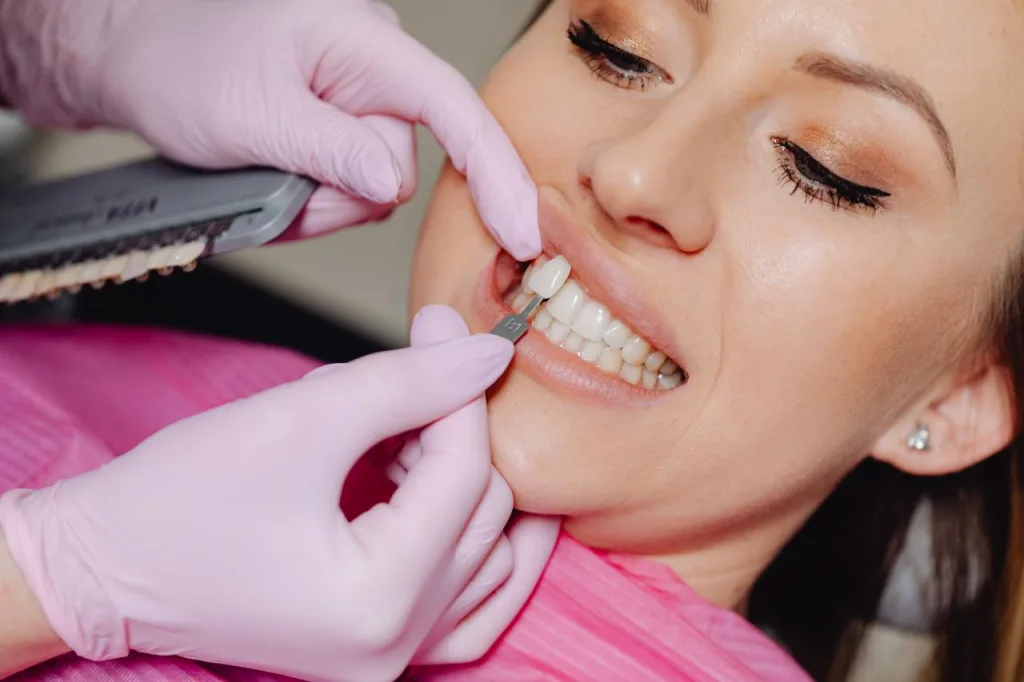
A dental hygienist appointment is one of the most practical ways to protect your teeth, gums, and future dental costs. Yet many patients are unsure what they are paying for, why prices vary, and whether a hygiene visit is the same as a routine dental check-up.
In the UK, dental hygienist cost can vary depending on the length of the appointment, the type of cleaning needed, the level of gum care required, and whether advanced stain-removal technology such as Airflow is used. The fee is not just for “a quick clean”. A good hygienist visit combines clinical assessment, prevention, tailored advice, removal of hardened deposits, and support for long-term gum health.
This guide explains typical private hygienist costs, what is usually included, what can affect the price, and how to get the best value from your appointment.
Why a hygienist visit matters
Even with careful brushing, plaque can build up in areas that are hard to reach, especially between teeth, around the gumline, behind lower front teeth, around crowns, and near fixed retainers. Over time, soft plaque can harden into calculus, often called tartar, which cannot be removed properly with a toothbrush at home.
A hygienist removes these deposits and helps you control the causes of gum inflammation. This matters because gum disease is one of the main reasons adults lose teeth. According to the NHS guidance on gum disease, symptoms can include bleeding gums, bad breath, swollen gums, and loose teeth in more advanced cases.
Hygiene appointments are also preventive. They help you spot habits that may be increasing your risk of decay, staining, sensitivity, bad breath, or gum problems. For many patients, seeing a hygienist regularly is less about cosmetic polishing and more about keeping treatment needs smaller, simpler, and less expensive over time.
How much does a dental hygienist cost in the UK?
For private dental care in the UK, a standard hygienist appointment often sits in the region of £60 to £120, though fees can be lower or higher depending on the clinic, appointment length, and treatment required. Longer appointments, periodontal maintenance, heavy calculus removal, or airflow stain removal may cost more.
The most important thing to understand is that hygienist pricing is not always like-for-like. One practice may offer a shorter appointment focused on routine scaling and polishing, while another may include more detailed gum measurements, oral hygiene coaching, stain removal, Airflow, or extended time for patients with gum disease risk.
NHS dental care works differently. A scale and polish may be provided on the NHS if it is clinically necessary, but it is not usually offered simply for cosmetic stain removal. Private hygiene care gives patients more choice over appointment frequency, time, comfort, and preventive support.
If you are comparing fees, ask what is included rather than comparing the number alone. A slightly longer or more comprehensive visit may offer better value if it reduces your risk of future problems.
| Type of hygienist visit | Typical private pricing pattern | What it usually focuses on |
|---|---|---|
| Routine hygiene appointment | Often around £60 to £120 | Plaque and calculus removal, polish, gum advice, home-care coaching |
| Extended hygiene appointment | Usually higher than a routine visit | More time for heavier deposits, bleeding gums, or detailed preventive support |
| Airflow or air polishing visit | May be included or charged separately | Removal of biofilm and surface staining from tea, coffee, red wine, tobacco, or diet |
| Periodontal maintenance | Usually priced according to time and complexity | Ongoing gum disease care, pocket monitoring, deeper cleaning where appropriate |
| Hygiene care around implants or orthodontics | Varies by need | Cleaning and advice around implants, aligners, retainers, crowns, or bridges |
What affects the cost of a hygienist appointment?
The first factor is appointment length. A patient with excellent gum health and only light staining may need less time than someone who has not seen a hygienist for several years. Heavy tartar, bleeding gums, smoking-related staining, or complex dental work can all require a longer appointment.
The second factor is the type of cleaning. A routine scale and polish is different from ongoing periodontal maintenance. If gum pockets are present, the hygienist may need to spend more time measuring, cleaning beneath the gumline, and helping you improve the areas that are difficult to manage at home.
Technology can also affect the fee. Airflow uses a controlled stream of air, warm water, and fine powder to remove plaque biofilm and surface staining. It can be particularly helpful for patients with staining from tea, coffee, red wine, or smoking, and for cleaning around orthodontic appliances or restorations. It is not a substitute for good daily cleaning, but it can make a hygiene visit more thorough and comfortable for many patients.
Location, clinical experience, practice standards, sterilisation protocols, and materials also play a role. Private dental practices must cover the cost of trained clinical teams, regulated infection control, equipment maintenance, and time spent giving personalised advice. When you pay for a hygienist, you are paying for professional prevention, not just polishing.
What your hygienist visit usually includes
A hygienist appointment normally begins with a short review. You may be asked about bleeding gums, sensitivity, bad breath, medical conditions, medications, smoking, diet, and your current brushing routine. These questions help the hygienist understand why plaque or inflammation may be present.
Your gums are then assessed. This can include checking for bleeding, recession, plaque levels, calculus, and sometimes pocket depths around the teeth. If more advanced gum problems are suspected, the hygienist may recommend a dental examination or periodontal assessment with a dentist.
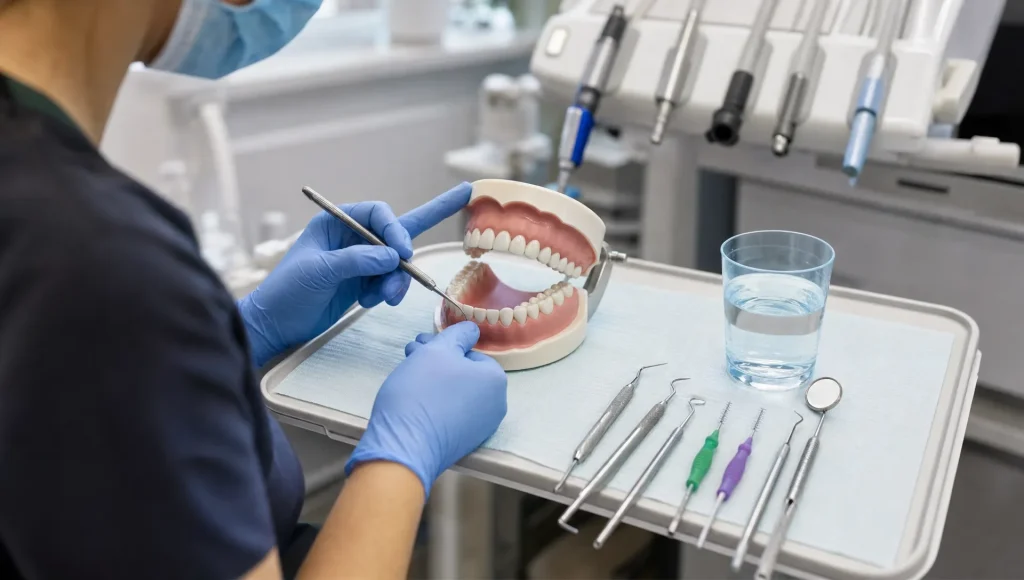
The cleaning itself usually involves removing calculus with ultrasonic and hand instruments. Ultrasonic scalers use fine vibrations and water spray to break away hardened deposits. Hand instruments may then be used for precision cleaning, especially around the gumline and between teeth.
Polishing or Airflow may follow, depending on your needs and the service offered. Polishing helps smooth the tooth surface and remove some external staining. Airflow can remove soft biofilm and surface stain more efficiently in suitable cases.
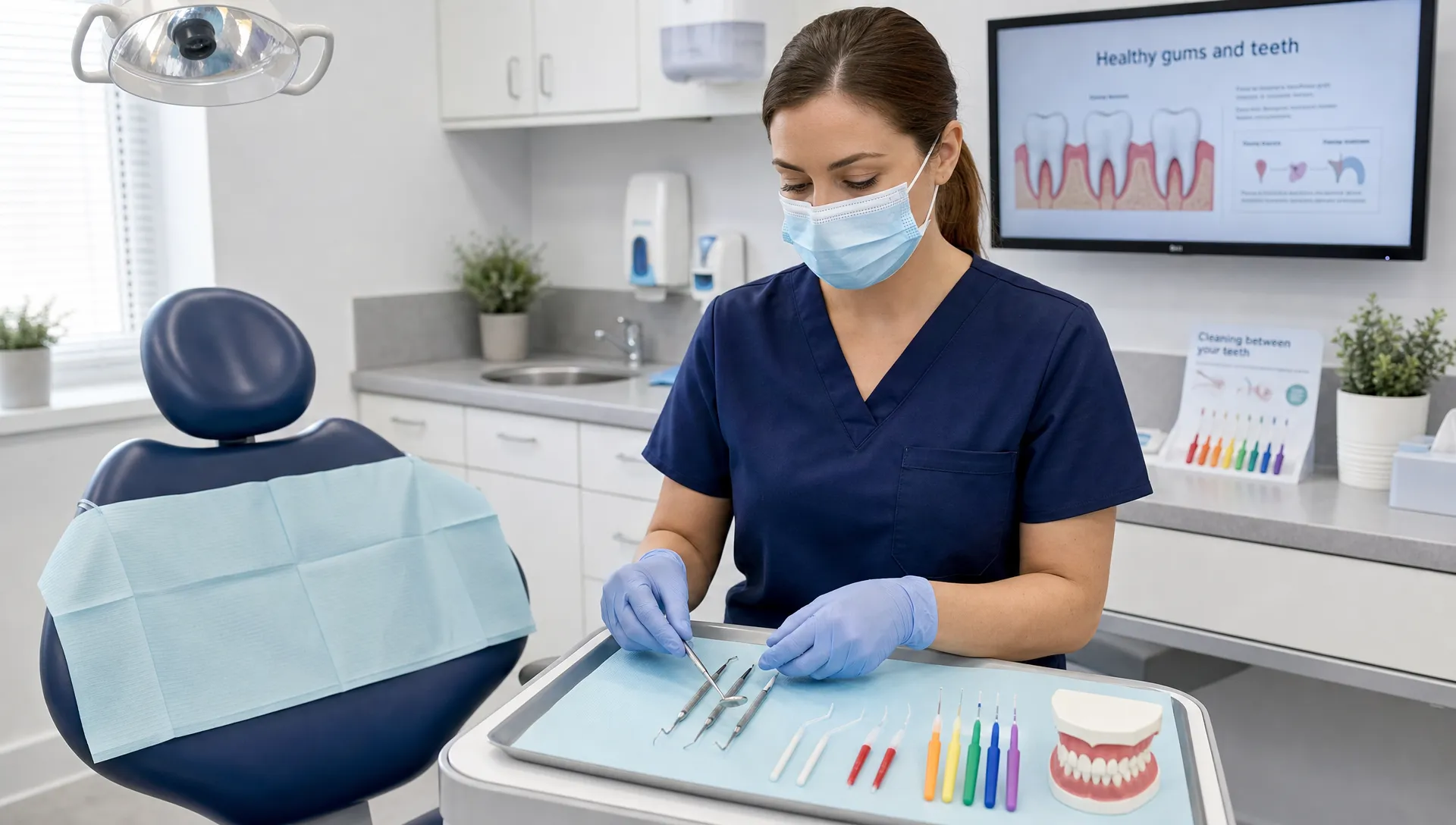
Finally, your hygienist should give advice you can actually use at home. This might include toothbrush technique, which interdental brushes fit your spaces, how to floss more effectively, how to clean around implants or bridges, and how often to attend.
Hygienist visit vs dental check-up: what is the difference?
A hygienist appointment and a dental check-up are closely linked, but they are not the same thing.
A dentist checks your overall oral health. This includes your teeth, gums, jaw, bite, soft tissues, existing fillings, crowns, and signs of decay or disease. X-rays may be recommended when clinically appropriate. If you want a detailed explanation of examination fees, our guide to private dental check-up costs explains what is typically included.
A hygienist focuses more specifically on gum health, plaque control, calculus removal, stain management, and prevention. They play a major role in helping you maintain the work your dentist has done, whether that is fillings, crowns, implants, Invisalign treatment, or cosmetic dentistry.
For new patients, it is often sensible to start with a dental examination so the dentist can assess your mouth fully and identify whether you need routine hygiene care, periodontal support, X-rays, or other treatment. If you are unsure what happens at that first appointment, you can read more about what to expect at your first dentist check-up.
Is a hygienist appointment worth the cost?
For most patients, yes. Hygiene care can reduce the risk of gum disease progression, help control bleeding gums, improve breath freshness, and remove deposits that brushing cannot shift. It may also make your mouth feel cleaner and your smile look brighter, especially if you have surface staining.
The value becomes clearer when you compare prevention with more complex treatment. Treating advanced gum disease, replacing lost teeth, restoring broken teeth, or managing implant complications can be far more costly than regular preventive care.
Hygienist appointments can also support cosmetic and restorative dentistry. If you are planning teeth whitening, bonding, veneers, crowns, implants, or clear aligners, healthy gums provide a better foundation. Clean teeth and stable gums help your dentist plan treatment more predictably.
Patients with implants should take hygiene especially seriously. Implants cannot decay, but the gum and bone around them can still become inflamed if plaque builds up. Regular professional cleaning and tailored home-care advice are important for long-term maintenance.
How often should you see a dental hygienist?
There is no single schedule that suits everyone. Many patients benefit from a hygienist appointment every six months, while others may be advised to attend every three or four months if they have gum disease risk, implants, heavy staining, orthodontic appliances, dry mouth, diabetes, or a history of bleeding gums.
Your risk level matters more than the calendar. Someone with stable gums, excellent home care, and low plaque levels may need less frequent visits. Someone with ongoing inflammation or deep gum pockets may need closer support.
The best hygienist schedule is one that keeps your gums healthy between visits. If your gums bleed when brushing or flossing, if you notice persistent bad breath, or if your teeth feel loose or uncomfortable, do not wait for your next routine appointment. Gum problems are usually easier to manage when they are addressed early. Our guide on how to prevent gum disease explains the warning signs and daily habits that make the biggest difference.
How to get better value from your hygienist visit
The best way to reduce long-term hygiene costs is to make each visit count. Arrive ready to explain any concerns, such as bleeding, sensitivity, staining, or difficulty cleaning certain areas. Bring your interdental brushes or ask the hygienist to size them for you, as using the wrong size can make cleaning less effective.
Focus on the advice, not just the clean feeling afterwards. A hygienist can remove deposits on the day, but the real value is learning how to reduce plaque build-up before your next appointment.
Helpful questions to ask include:
- Which areas am I missing when I brush?
- What size interdental brushes should I use?
- Do my gums bleed because of brushing technique or gum inflammation?
- Would Airflow be useful for my staining?
- How often should I book based on my gum health?
It is also worth being honest about your routine. If flossing does not work for you, say so. Your hygienist may recommend interdental brushes, water flossing, changes to brushing angle, or a different technique that fits your lifestyle better.
When a hygienist may refer you to a dentist
A hygienist can help with prevention and gum care, but some findings need a dentist's assessment. These may include suspected decay, broken fillings, persistent ulcers, unexplained pain, loose teeth, abscess symptoms, or advanced gum disease.
This is one reason hygiene and check-up appointments work well together. Your hygienist can help keep your mouth clean and monitor gum health, while your dentist diagnoses broader oral health issues and plans treatment where needed.
If you have not had a dental examination for a while, booking a check-up before or alongside a hygiene visit is often the safest route. It gives the clinical team a full picture of your mouth rather than treating deposits and staining in isolation.
Frequently Asked Questions
How much does a dental hygienist cost privately? Private dental hygienist costs in the UK commonly range from around £60 to £120 for a routine appointment, but fees vary by practice, appointment length, and the type of cleaning required. Extended gum care or Airflow may cost more.
Does a hygienist appointment include teeth whitening? No. A hygiene visit can remove plaque, calculus, and some surface staining, which may make teeth look brighter, but it does not change the natural shade of your teeth like professional whitening does.
Is Airflow worth paying extra for? Airflow can be worthwhile if you have surface staining, plaque biofilm, orthodontic appliances, or restorations that are difficult to clean around. Whether it is necessary depends on your mouth, your goals, and what your hygienist recommends.
Can I see a hygienist without seeing a dentist first? Some hygienists can see patients directly within their professional scope, but a dental check-up is still important for diagnosing decay, oral disease, bite problems, and other issues outside a hygiene appointment.
How long does a hygienist appointment take? Many routine hygiene appointments last around 30 to 45 minutes, but this varies. Patients with heavier deposits, gum disease risk, or more complex needs may require longer or more frequent appointments.
Will a hygienist appointment hurt? Most patients find hygiene treatment manageable. If your gums are inflamed or sensitive, cleaning may feel tender in places. Tell your hygienist if you are uncomfortable, as they can adjust technique and offer advice for sensitivity.
Ready to understand your hygiene needs?
A hygienist visit is an investment in prevention, comfort, and confidence. The right appointment can help reduce bleeding gums, remove stubborn deposits, freshen your mouth, and give you practical advice for protecting your smile every day.
If you live in West Malling, Kings Hill, or the surrounding Kent area, West Malling Dental & Implant Centre offers private dental care in a relaxed setting, including hygienist care with Airflow, routine dentistry, cosmetic treatments, implants, Invisalign, and same-day emergency care where available.
To discuss current fees and find out which appointment is right for you, contact West Malling Dental & Implant Centre.