Dental anxiety can affect anyone, whether it comes from a difficult childhood appointment, fear of pain, embarrassment about oral health or simply not knowing what will happen next. The aim of comfortable dental care is to make every stage of your visit feel calmer, clearer and more manageable, so you can protect your teeth without feeling rushed or judged.
For nervous patients, the hardest part is often booking the appointment. Once you have a supportive dental team, a clear plan and permission to pause whenever you need to, treatment can feel far less intimidating. This guide explains what a gentler experience should look like, how to prepare and what you can ask for before your next visit.
Why dental anxiety is so common
Dental nerves are not a sign that you are being difficult. They are a normal response to feeling vulnerable, especially when treatment involves lying back, keeping your mouth open and trusting someone else with sensitive areas of your body.
The NHS explains that phobias can cause intense anxiety around specific situations, and dental visits can trigger similar reactions for some people. Even mild nervousness can lead to cancelled appointments, which then allows small problems to become more complex.
Common reasons people delay treatment include fear of discomfort, concern about cost, embarrassment about the condition of their teeth, a strong gag reflex, past trauma or worry about being told off. A practice that understands these barriers can build comfortable dental care around trust, communication and prevention rather than pressure.
What comfortable dental care means in practice
Comfortable dental care is not one single technique. It is the combination of how you are welcomed, how clearly treatment is explained, how pain relief is managed and how much control you feel during the appointment.
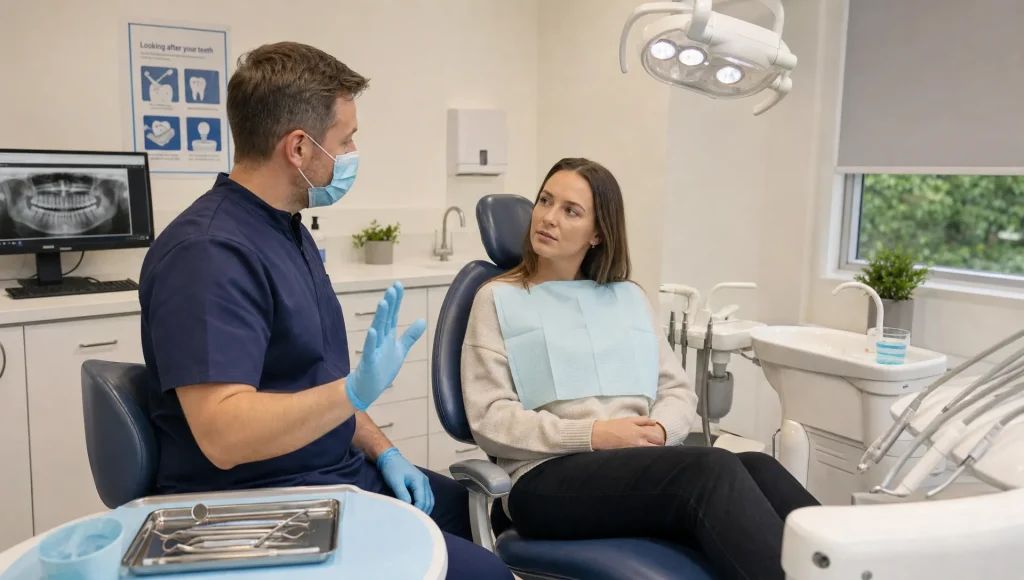
A calm dental visit should usually include time to talk before any treatment begins. You should be able to explain what worries you, whether you prefer detailed explanations or minimal detail and whether there are specific sounds, sensations or positions that make you anxious.
It also means agreeing practical signals. Many nervous patients feel calmer when they know they can raise a hand to pause treatment. This simple agreement can make a big difference because it puts control back in your hands.
| What nervous patients often need | How a supportive dental visit can help |
|---|---|
| Fear of pain | Clear explanation of local anaesthetic and time for it to work |
| Fear of judgement | A kind, matter-of-fact discussion focused on solutions |
| Loss of control | Stop signals, breaks and step-by-step consent |
| Gag reflex | Position adjustments, slower pacing and reassurance |
| Embarrassment | Private conversations and realistic treatment planning |
Comfort is also built through honesty. If a treatment may feel unusual, you should be told what to expect in plain English before it happens.
How to prepare before your appointment
Preparation can reduce anxiety because it replaces guesswork with a plan. Before you book, tell the receptionist or treatment coordinator that you are nervous. You do not need to give a long explanation, but sharing this early helps the team set the right tone from the start.
If you are choosing a practice for the first time, look for signs that the team takes time with new patients, explains treatment clearly and offers preventive care as well as urgent solutions. West Malling Dental has a helpful guide on what to look for in a dentist taking new patients if you are comparing options locally.
Before your visit, write down your main worries and bring the list with you. You might include past experiences, medical conditions, medicines, allergies, your pain threshold or anything that helps you feel calmer. Good comfortable dental care starts with knowing the person, not just checking the teeth.
Try to avoid arriving late, as rushing can increase stress. If possible, choose an appointment time when you are less likely to feel pressured by work, school runs or other commitments.
What should happen during a calm dental visit
A first appointment for a nervous patient should feel like a conversation as much as an examination. The dentist may ask about your dental history, current concerns, lifestyle, oral hygiene routine and what you would like to improve. This is not about blame. It is about understanding where you are now and what support you need.
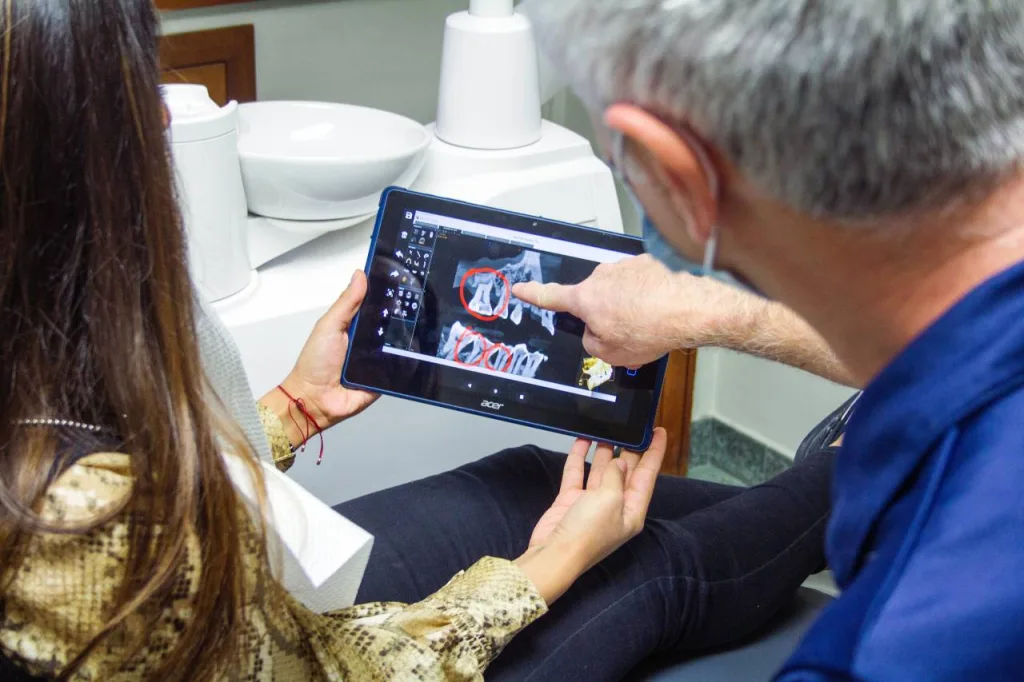
The examination itself should be explained before it begins. If X-rays are needed, you should be told why they are recommended and what information they provide. If treatment is required, you should have the chance to discuss options, likely benefits, risks, timescales and costs before making a decision.
During treatment, comfortable dental care often comes down to small details. These might include checking that anaesthetic has taken effect, giving you a short break, adjusting the chair position, using reassuring language or avoiding unnecessary surprises.
If you feel panic rising, signal to stop. Slow breathing, unclenching your hands and focusing on your feet against the chair can help your body settle. The dental team should give you time rather than pushing you through the appointment.
If fear is about pain, control or embarrassment
Different fears need different solutions. If pain is your main concern, ask the dentist to explain how local anaesthetic will be used and how they will check you are numb enough before treatment starts. It is reasonable to ask for more anaesthetic if you are uncomfortable.
If control is the issue, agree a stop signal before the chair goes back. You can also ask the dentist to describe each stage before it happens, or to keep explanations brief if too much detail makes you feel worse.
If embarrassment is the barrier, remember that dental teams regularly see people who have delayed treatment. Their role is to help you stabilise your oral health, relieve discomfort and plan improvements in a realistic order. You are not expected to arrive with a perfect smile.
Stress can also affect the mouth. Clenching, grinding, cracked teeth, gum inflammation and sugary comfort eating can all become part of the same cycle. If this sounds familiar, the West Malling Dental article on how stress can affect your teeth and gums explains the connection in more detail.
The best comfortable dental care treats anxiety as part of the clinical picture, not as an inconvenience.
Gentle steps back into routine dental care
If you have not seen a dentist for years, it can be tempting to wait until something hurts. Unfortunately, emergency appointments often happen when anxiety is already high. A check-up gives you a calmer route back into care and can identify problems before they become painful.
Many nervous patients benefit from starting with a simple assessment rather than committing to treatment straight away. This gives you a chance to meet the team, understand your current oral health and discuss priorities. You might then plan hygiene care, fillings, gum treatment or cosmetic options in stages.
A hygienist appointment can also be an important reset. Professional cleaning helps remove plaque and staining that brushing cannot always manage at home. If you are anxious about sensitivity, say so beforehand so the hygienist can adapt the appointment where possible.
For patients interested in smile improvements, it is usually best to stabilise oral health first. Treatments such as whitening, composite bonding, Invisalign, crowns or implants should be discussed after the dentist has checked that the teeth and gums are healthy enough. West Malling Dental’s guide to specialist dental treatments gives a useful overview of how these options may fit into a wider plan.
How West Malling Dental supports nervous patients
West Malling Dental & Implant Centre provides private dental care for patients in West Malling, Kings Hill and the surrounding Kent area. The practice offers family, preventive, cosmetic and emergency dental care, with treatments including dental implants, Invisalign clear braces, hygienist care with Airflow, teeth whitening, composite bonding, veneers and crowns.
For nervous patients, the most important starting point is often a new patient check-up. This gives you time to explain what has held you back, ask questions and understand what is happening in your mouth. If you need urgent help, the practice also offers emergency same-day care, subject to availability.
The focus of comfortable dental care at a private practice should be to give you enough time, clarity and reassurance to make informed decisions. That does not mean every appointment will feel effortless, especially if you have deep anxiety, but it does mean you should feel listened to and respected.
If you are worried about a specific treatment, say so. A good dentist would rather know at the beginning than discover halfway through that you have been struggling in silence.
Frequently Asked Questions
Can I visit the dentist just to talk first? In many cases, yes. A new patient check-up is a good opportunity to explain your worries, discuss your dental history and understand what treatment might be needed before making decisions.
Will dental treatment hurt if I am nervous? Nervousness can make you more alert to sensation, but local anaesthetic is used for many treatments to make care more comfortable. Tell your dentist immediately if you feel pain or need a pause.
What if I am embarrassed about my teeth? Dentists are trained to deal with dental problems, not to judge you. The priority is to understand your current oral health, relieve any discomfort and create a practical plan for improvement.
Can I bring someone with me? Many nervous patients find it reassuring to bring a trusted friend or family member. Ask the practice in advance so they can explain what is possible during your appointment.
Is sedation the only answer for dental anxiety? Not always. Many people manage well with clear communication, stop signals, local anaesthetic, shorter appointments and gradual treatment planning. If you feel you need sedation, ask your dentist what options or referrals may be appropriate.
Taking the first step
Avoiding the dentist can feel easier in the short term, but it often makes anxiety stronger over time. A calm first appointment can help you regain control, understand your options and start protecting your smile again.
If you are based in West Malling, Kings Hill or nearby, you can contact West Malling Dental & Implant Centre to ask about a new patient check-up or urgent dental care. Tell the team you are nervous when you book, so your appointment can begin with the reassurance and pace you need.