A child’s smile changes faster than most parents expect. One month you are wiping gums after milk feeds, then suddenly you are checking wobbly teeth, packed lunch labels, sports mouthguards and whether your teenager is brushing properly around braces.
Good family dentist care is not just about fixing problems when they appear. It gives your child a familiar place to learn healthy habits, get early support and feel calm about dental visits. For families in West Malling, Kings Hill and the surrounding Kent area, that continuity can make everyday oral care much easier to manage.
Why family dentist care matters from the first tooth
Children do not need a dental problem before they see a dentist. In fact, early visits are often most useful when nothing hurts. They help your child get used to the sights, sounds and routines of a dental practice before treatment is ever needed.
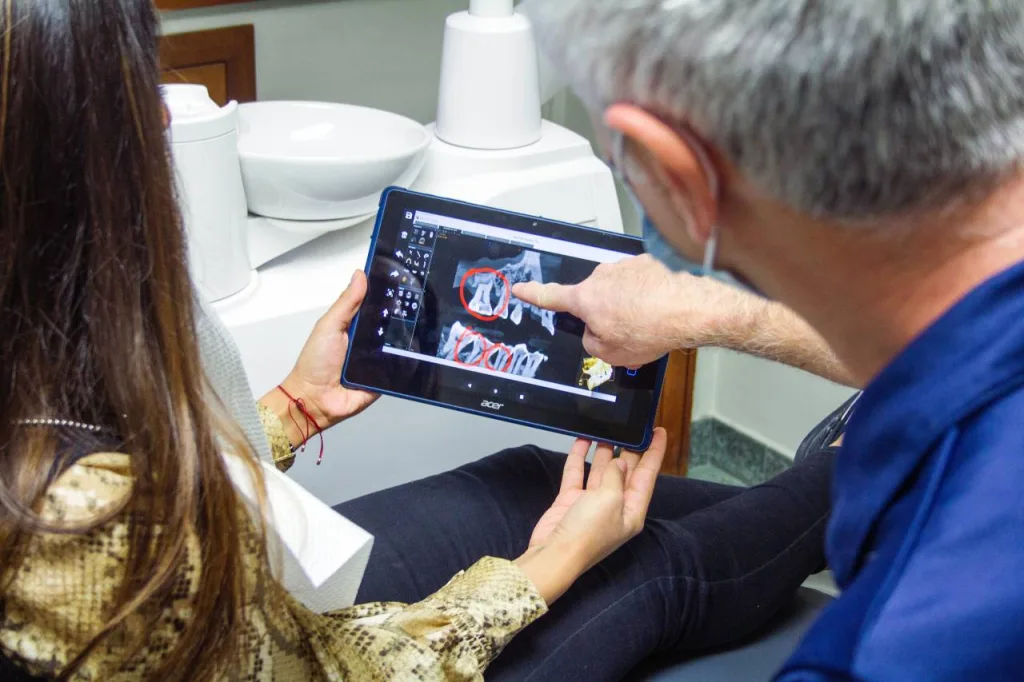
A family dentist can also spot small changes that parents may not notice. Early enamel marks, crowding, bite changes, thumb-sucking effects, gum inflammation and toothbrushing difficulties are all easier to manage when they are caught early. The aim is to reduce the chance of pain, avoid preventable treatment and build confidence.
Continuity matters too. A dentist who sees your child regularly understands their personality, habits and dental history. That makes advice more relevant and helps nervous children feel safer because they are not meeting a new face every time.
Baby and toddler years: gentle beginnings
Your baby’s first tooth is a milestone, but it is also the start of daily dental care. NHS guidance recommends brushing as soon as the first milk tooth appears, using fluoride toothpaste and brushing twice a day, including last thing at night.
At this stage, dental visits are usually short and relaxed. Your toddler may sit on your lap, open their mouth briefly or simply become familiar with the chair and surroundings. That is still progress. The goal is to make dental care feel normal, not frightening.
Parents often ask whether baby teeth matter if they are going to fall out. They do. Milk teeth help children chew, speak clearly and hold space for adult teeth. Decay in baby teeth can also cause pain, infection and difficulty eating.
A few simple toddler habits make a big difference:
- Brush twice daily with an age-appropriate amount of fluoride toothpaste.
- Avoid putting a child to bed with a bottle of milk, juice or sweetened drink.
- Keep sugary snacks and drinks to mealtimes where possible.
- Ask your dentist about dummies, thumb-sucking or delayed tooth eruption if you are concerned.
West Malling Dental has more practical guidance for parents on looking after children’s teeth, including brushing, toothbrush choice and limiting sugar and acidic drinks.
Preschool and early school years: routines that survive real life
Between around 3 and 7, children become more independent, but they still need help. Most young children do not have the coordination to brush thoroughly on their own, even if they insist they can. NHS advice is to supervise brushing until at least age 7.
This is the age where family routines matter more than perfection. A tired child at bedtime, a rushed school morning or a weekend sleepover can disrupt brushing. The trick is to make oral care predictable and easy to repeat.
Try keeping brushing simple: same place, same time, same order. Brushing for two minutes last thing at night and one other time each day is the foundation. Encourage your child to spit out toothpaste but avoid rinsing with lots of water, as leaving a little fluoride on the teeth helps protect enamel.
Diet also becomes more complicated at this age. It is not only how much sugar a child has, but how often teeth are exposed to it. Frequent grazing on sweet snacks, dried fruit, biscuits, flavoured yoghurts or juice gives mouth bacteria repeated opportunities to produce acid.
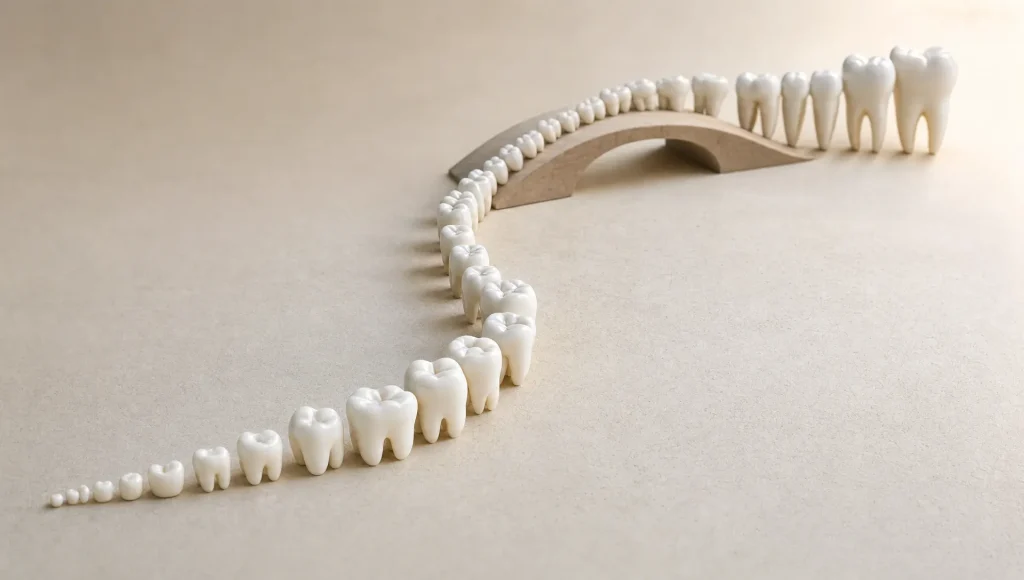
| Child’s stage | What is changing | How family dentist care helps |
|---|---|---|
| Baby and toddler | First milk teeth, teething, early brushing | Helps parents start prevention early and makes visits feel familiar |
| Preschool | More independence, developing food preferences | Supports brushing routines, fluoride advice and decay prevention |
| Primary school | Wobbly teeth, first adult molars, school snacks | Monitors eruption, checks cleaning and may recommend extra protection |
| Pre-teen | Jaw growth, crowding, sport, orthodontic signs | Spots bite problems early and advises on mouthguards or referrals |
| Teenager | Independence, braces, appearance concerns | Encourages ownership, safe choices and long-term smile confidence |
Primary school years: wobbly teeth and first adult molars
The first adult molars usually erupt around age 6, often before parents realise they are permanent teeth. Because they come through at the back of the mouth, they can be hard to clean. Their grooves and pits can also trap plaque and food.
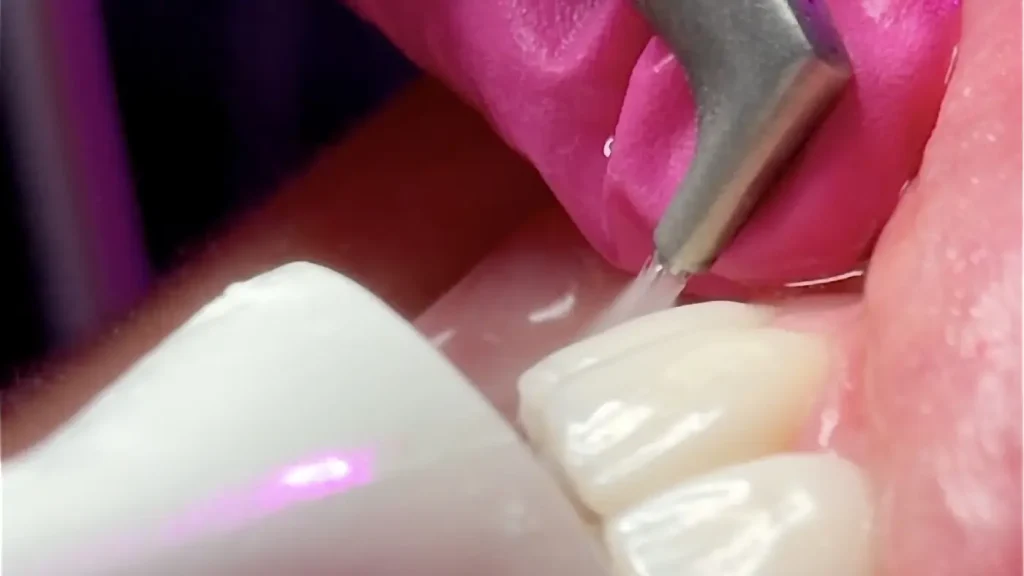
Your dentist will check how these teeth are erupting and whether your child is cleaning them effectively. Some children may benefit from fissure sealants, which are protective coatings placed on the biting surfaces of back teeth when clinically appropriate. Fluoride varnish may also be recommended for children at higher risk of decay.
This is also when orthodontic development becomes clearer. A family dentist is not only looking for straight teeth. They also check how the jaws meet, whether adult teeth have enough space and whether habits such as thumb-sucking are affecting the bite.
If your child plays contact sport, ask about a proper mouthguard. Shop-bought options can be better than nothing, but a professionally made mouthguard usually fits more securely and is less likely to interfere with breathing or speech.
The pre-teen and teenage years: independence, braces and confidence
Teenagers need a different kind of dental support. They may understand what they should do, but school, sport, late nights, exams and social pressure can all get in the way. Family dentist care at this stage should be respectful and practical, helping your teenager take ownership without turning every appointment into a lecture.
Common teen issues include plaque around orthodontic brackets, acidic drinks, energy drinks, snacking, gum bleeding and wearing retainers as advised. If your teenager has fixed braces or clear aligners, brushing and interdental cleaning become even more important because plaque can collect around appliances.
Helping nervous children feel more comfortable
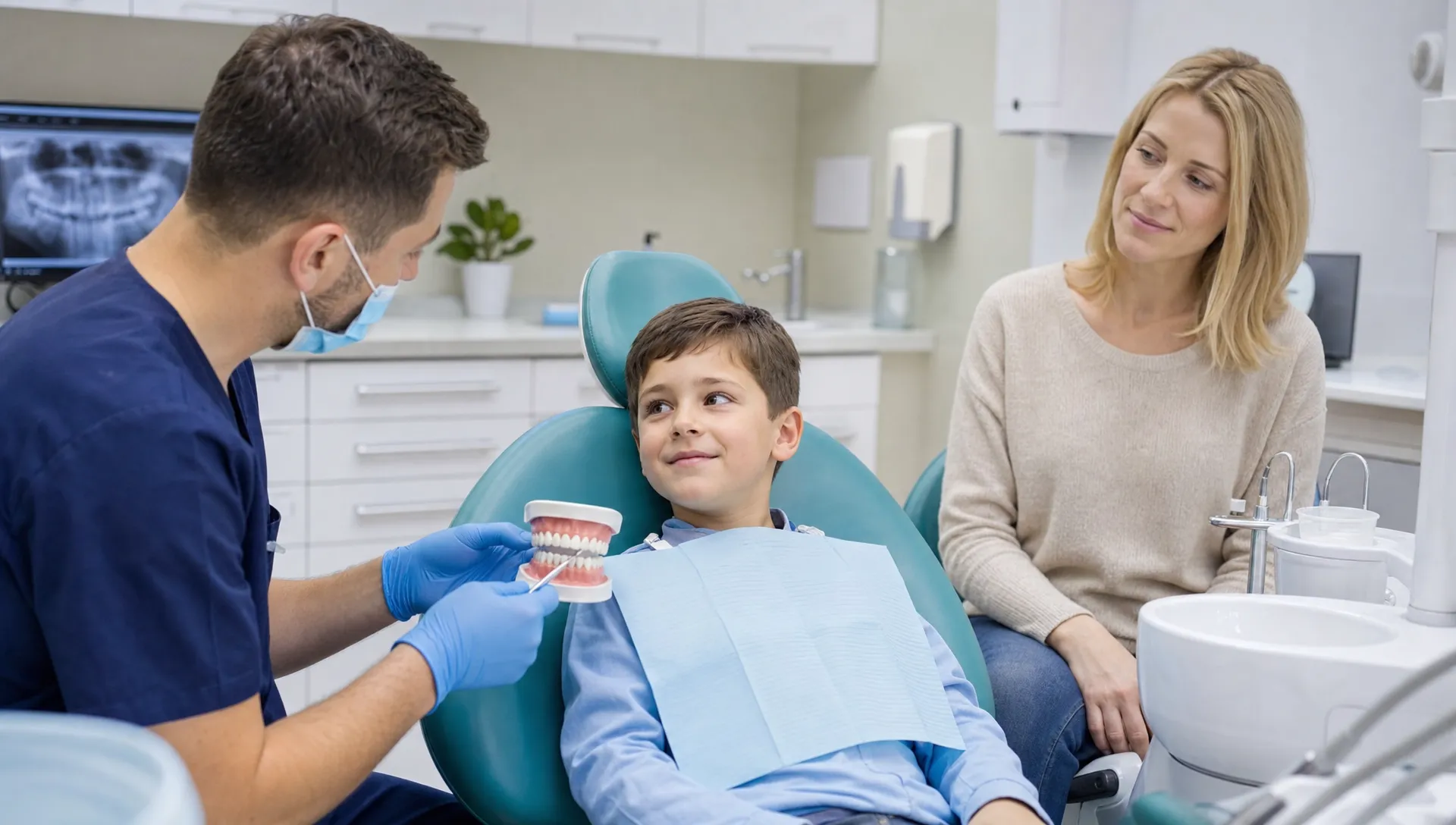
Dental anxiety often starts early, sometimes after a difficult medical experience, a previous painful appointment or even hearing adults talk negatively about dentistry. The best approach is usually gradual familiarity.
Try to avoid using phrases such as “it won’t hurt” or “be brave”, because they can accidentally suggest there is something to fear. Instead, use neutral language: “The dentist is going to count your teeth” or “They will check how well your teeth are growing.”
A calm first visit can set the tone for years. If your child is new to the practice, it may help to read about what happens at a first dentist check-up so you can explain it in simple, reassuring words before the appointment.
Parents can also help by booking appointments at a time of day when the child is less tired, bringing a comfort item and telling the dental team in advance if their child is anxious, autistic, sensitive to noise or worried about specific things.
What if your child has a dental emergency?
Children fall, bump teeth and develop toothache at the least convenient moments. A family dentist who already knows your child can make urgent care feel less stressful.
Call a dentist promptly if your child has facial swelling, persistent toothache, a broken tooth, dental trauma, bleeding that will not stop or a knocked-out adult tooth. If an adult tooth is knocked out, hold it by the crown rather than the root and seek urgent dental help. Do not try to reinsert a baby tooth, as this can damage the adult tooth developing underneath.
If your child has swelling affecting breathing, swallowing or the eye area, or they are very unwell with fever, seek urgent medical help. Dental infections can sometimes need immediate care beyond a routine dental appointment.
West Malling Dental & Implant Centre offers same-day emergency care, which can be especially reassuring for families who want help quickly when pain or trauma happens.
Frequently Asked Questions
When should my child first see a dentist? Your child should see a dentist when their first milk teeth come through, or by around their first birthday. Early visits are usually gentle and focused on prevention, reassurance and advice for parents.
How often should children have dental check-ups? It depends on your child’s oral health, decay risk and development. Many children are seen every 6 months, but your dentist may suggest a different interval if your child needs closer monitoring or has a very low risk of problems.
Are baby teeth really important? Yes. Baby teeth help with chewing, speech and keeping space for adult teeth. Decay or infection in baby teeth can cause pain and may affect eating, sleep and confidence.
What should I do if my child is scared of the dentist? Tell the dental team before the appointment, use calm and simple language, avoid frightening words and consider a short introductory visit. Regular, low-pressure appointments often help children become more confident over time.
Can teenagers have Invisalign or cosmetic dental treatment? Some teenagers may be suitable for orthodontic treatment such as clear aligners, but this depends on their teeth, bite, growth and ability to wear them as instructed. Cosmetic treatments should always be discussed carefully with a dentist, with oral health as the priority.
Support your child’s smile with calm, consistent care
If you are looking for family dentist care in West Malling, Kings Hill or nearby Kent villages, West Malling Dental & Implant Centre provides private family, preventive, cosmetic and emergency dental care in a relaxed setting.
Whether your child needs their first check-up, ongoing preventive care, help with a dental worry or advice as they move into their teenage years, a familiar dental team can make every stage feel easier. Book a new patient appointment and help your child build habits that support a healthier smile for life.